Canada/Mexico Tariffs Start March 4: Rate Still Unknown, Volatility High
US tariffs on Canadian lumber begin March 4, but the rate is uncertain. LumberFlow analysis on SPF pricing volatility and buyer strategy to hedge against the...
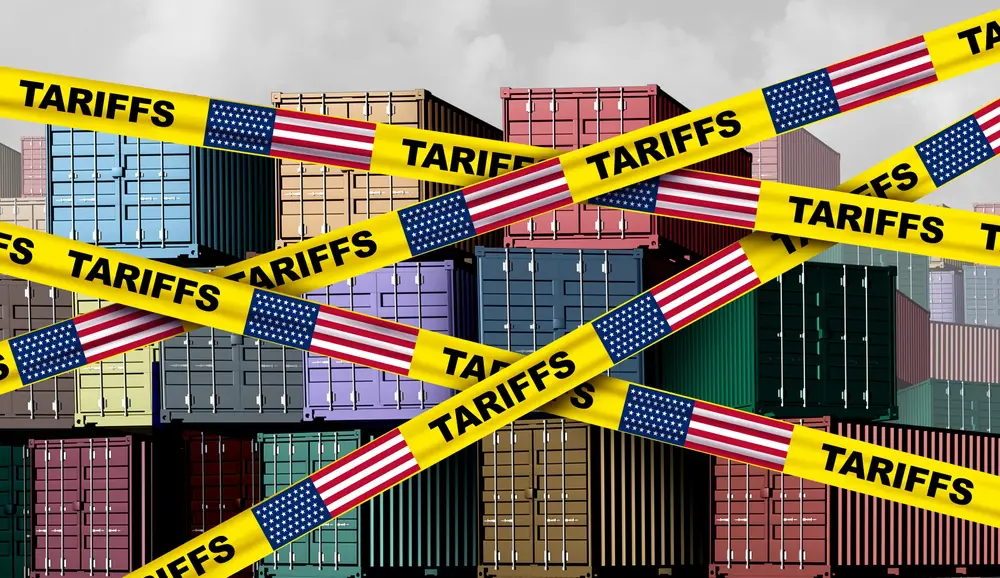
The US Commerce Secretary confirmed that tariffs on Canadian and Mexican goods, including softwood lumber, will begin March 4, though the final rate may be less than the threatened 25%. This policy implementation creates immediate supply chain uncertainty and will drive significant short-term price volatility in Canadian SPF markets, impacting US distributors relying on Western and Eastern Canadian supply. Given the…
Impact on Your Procurement Strategy
The confirmation that tariffs will begin on March 4 removes the possibility of a last-minute delay, forcing immediate action from procurement teams. Since the US relies heavily on Canadian SPF (Spruce-Pine-Fir) for construction grades, particularly studs and MSR lumber, this announcement guarantees a swift spike in volatility starting Monday morning trading.
Even if the rate is negotiated down from the threatened 25%, suppliers must price in the risk premium associated with implementation. Buyers should expect Western Canadian and Eastern Canadian SPF mills to pull quotes, shorten offering windows, or immediately add a temporary surcharge (likely 10-15%) to cover potential tariff liability until the final rate is determined. This affects distributors across the Northeast, Midwest, and Pacific Northwest relying on these supply lines. Supply will tighten immediately as Canadian mills hesitate to ship volumes without clarity on who bears the tariff cost, potentially lengthening lead times for dimensional lumber items (2x4s, 2x6s) by 1 to 2 weeks.
If the full 25% tariff is implemented, it translates directly into an increase of roughly $120 to $150 per thousand board feet (MBF), based on current market averages. This cost increase is generally passed directly to the buyer. The uncertainty around the rate (“fluid situation,” as Secretary Lutnick stated) makes inventory management challenging. Distributors who rely on Just-In-Time (JIT) inventory risk being caught flat-footed, forced to pay the higher, tariff-inclusive price for critical framing materials needed for spring construction projects.
The primary risk is the imposition of the full 25% rate. Procurement teams should prioritize securing necessary inventory for the next 4-6 weeks now, even if it means paying a short-term volatility premium. This acts as a hedge against the full tariff impact. Simultaneously, buyers must aggressively explore substitutions. While SYP (Southern Yellow Pine) markets are generally separate, increased demand for SYP framing materials in the US South and Midwest, driven by buyers seeking alternatives to Canadian SPF, could cause localized price increases in those regions as well. Buyers must monitor the White House negotiations daily; a public announcement confirming a rate lower than 10% would signal a short-term price correction and a new purchasing window. Until then, maintain lower-than-usual exposure to speculative Canadian shipments.
Key Takeaways
Immediate price volatility is guaranteed: Expect Western SPF quotes to jump 5-10% immediately as suppliers price in the risk of the full 25% tariff implementation starting March 4.
Focus on non-Canadian alternatives: Temporarily shift maximum feasible volume to SYP or Hem-Fir where possible to reduce exposure to the tariff negotiations and pricing uncertainty.
Monitor negotiation updates closely: If the administration signals a rate below 10%, the upward price pressure will quickly reverse, offering a future buying opportunity.
Market Outlook
Pricing Trend: UP Confidence Level: MEDIUM Recommended Action: Prioritize securing immediate SPF inventory (Western and Eastern Canadian sources) before the March 4 tariff deadline. Hedge against the potential 25% rate by locking in necessary Q2 volumes now, accepting short-term premium to avoid a major cost spike if negotiations fail.
How LumberFlow Helps
To navigate this extreme volatility, utilize LumberFlow's multi-supplier RFQ system to rapidly compare offers from both Canadian and US-based SYP suppliers, ensuring you find the best immediate pricing. Set up automated price alerts for key SPF and SYP items to track how quickly the 25% tariff risk is being priced into the market starting March 4.
Ready to stay ahead of market trends? Book a consultation with our team to see how LumberFlow's procurement platform transforms dimensional lumber buying.
Source:US Commerce Secretary Says Tariffs on Canada and Mexico Will Begin March 4, But Rate May Change
Turn Market Insights Into Action
LumberFlow automates quote tracking, RFQ generation, and supplier negotiations so you can focus on strategic procurement decisions like the ones highlighted in this article.
Need help applying this insight?
Talk with a LumberFlow analyst about procurement playbooks tailored to your SPF program.