West Fraser Cuts 300 MMBF Capacity: Impact on SYP and SPF Supply
West Fraser closes mills in GA and BC, cutting 300 MMBF capacity. Analyze the impact on SYP and SPF pricing, supply chains, and procurement strategy.
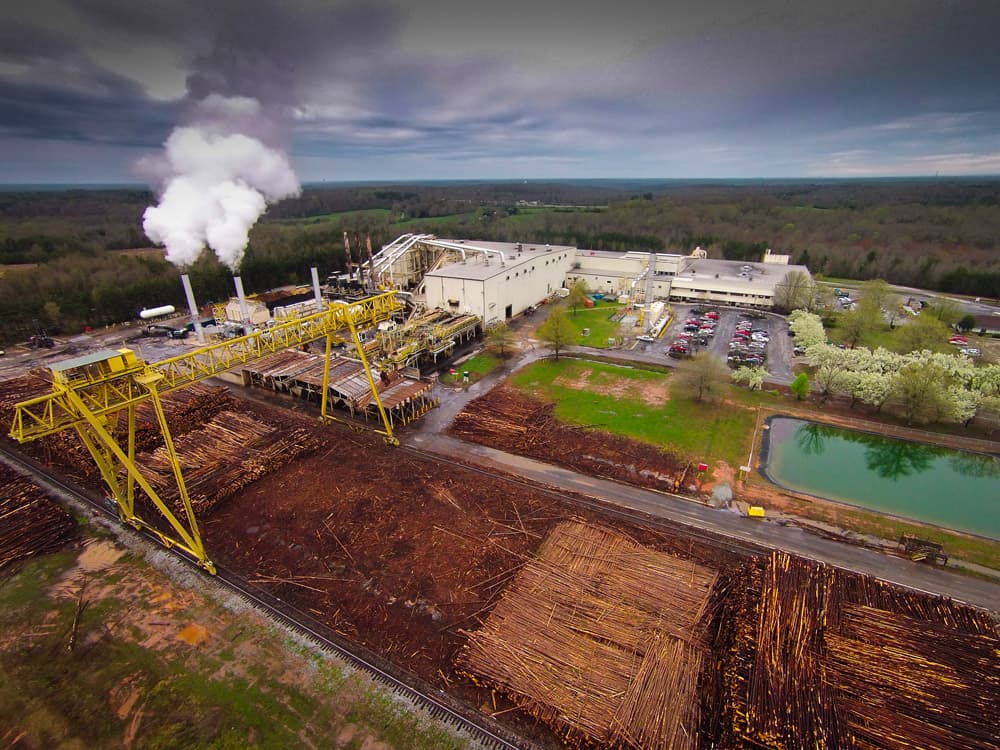
West Fraser is permanently closing its Augusta, GA, and 100 Mile House, BC, lumber mills by late 2025, cutting 300 million board feet (MMBF) of capacity due to soft demand and persistent supply constraints. This substantial reduction, coupled with the permanent closure of two additional US South mills (AR, FL), signals a clear contraction, tightening supply particularly for SYP and Western SPF. Buyers should use this…
Impact on Your Procurement Strategy
West Fraser’s announcement to permanently shutter four mills and reduce total capacity by 300 MMBF—with two closures effective by the end of 2025—is a structural market event that procurement managers must integrate into their forward planning immediately.
While the market currently faces ‘soft lumber demand,’ as cited by West Fraser, this capacity withdrawal provides a firm floor under pricing and significantly shifts the risk balance toward supply-driven upward volatility in Q4 2025 and Q1 2026. This isn't just a temporary curtailment; these are permanent structural losses, making future market recoveries potentially sharper and faster than previously expected.
Impact on Southern Yellow Pine (SYP) Supply: The US South market is seeing the most concentrated impact. The closure of the Augusta, GA, mill cuts 140 MMBF of capacity. Crucially, West Fraser also made the 2024 indefinite curtailments at Huttig, AR, and Lake Butler, FL, permanent. The cumulative effect of these three closures outweighs the startup of the replacement mill in Henderson, TX, resulting in a net contraction of SYP available for the high-growth residential construction markets in the Southeast and Texas. Buyers should anticipate immediate tightening in specific SYP dimensional lumber items, especially studs and longer lengths, leading to potential 2-3 week lead time extensions in regional sourcing. The loss of 'economically viable residual outlets' in Augusta suggests rising production costs are driving consolidation, which will likely be passed on to the buyer.
Impact on SPF/Hem-Fir Supply: The closure of the 100 Mile House, BC, mill removes 160 MMBF of capacity and is driven explicitly by ongoing timber supply challenges and compounded by high duties and tariffs. This reinforces the long-term structural constraints facing Canadian production. This is a critical signal that the supply base for Western SPF and Hem-Fir is contracting permanently, making these products more susceptible to supply shocks. For buyers in the Midwest and Northeast who rely heavily on Canadian imports, this news increases the risk premium on SPF pricing moving forward. Procurement strategy must now prioritize supply chain diversification away from overly reliant Canadian sources, as future BC mill closures remain a high probability due to persistent timber access issues.
Timing and Actionable Outlook: Although the major closures are scheduled for late 2025, the confirmation of permanent 2024 curtailments means the market is already operating with a tighter supply cushion. Procurement managers should treat this news as a fundamental shift in supply fundamentals. Use the current soft demand period to secure forward contracts for high-demand, construction-grade SYP items now, before any significant uptick in housing starts or repair/remodel activity accelerates pricing.
Key Takeaways
Prioritize securing SYP volumes for Q1 2026 now; the cumulative US South closures (GA, AR, FL) signal tightening regional supply and potential lead time extensions for key items.
View the 300 MMBF capacity cut as setting a floor under current pricing; expect upward pressure on Western SPF due to chronic BC timber constraints and tariff risks.
Diversify sourcing away from solely Canadian SPF; structural BC capacity losses mean higher long-term risk and volatility for Western dimensional lumber pricing.
Factor in Q4 2025 restructuring charges (as announced by WF) which often precede price adjustments to improve profitability and offset impairment costs.
Market Outlook
Pricing Trend: UP Confidence Level: MEDIUM Recommended Action: Immediately assess Q4 2025 and Q1 2026 SYP needs. Lock in forward contracts for critical Southern Yellow Pine sizes (e.g., 2x4 and 2x6 studs) where availability is tight, as the 140 MMBF Augusta cut will reduce regional flow.
How LumberFlow Helps
Use LumberFlow's [multi-supplier RFQ system](https://lumberflow.com/en/features) to quickly identify alternative SYP and SPF suppliers outside of the impacted regions. Set up [automated price alerts to monitor Western SPF pricing volatility triggered by the 160 MMBF BC capacity loss and high duties.
Ready to stay ahead of market trends? [Book a consultation](https://lumberflow.com/en/contact) with our team to see how LumberFlow's procurement platform transforms dimensional lumber buying.
Turn Market Insights Into Action
LumberFlow automates quote tracking, RFQ generation, and supplier negotiations so you can focus on strategic procurement decisions like the ones highlighted in this article.
Need help applying this insight?
Talk with a LumberFlow analyst about procurement playbooks tailored to your SPF program.