Interfor Restart: BC Supply vs. The 45% Tariff Wall
Interfor partially restarts BC mill, but the **45% combined US duty** creates a major cost barrier for SPF. Actionable market analysis for lumber buyers.
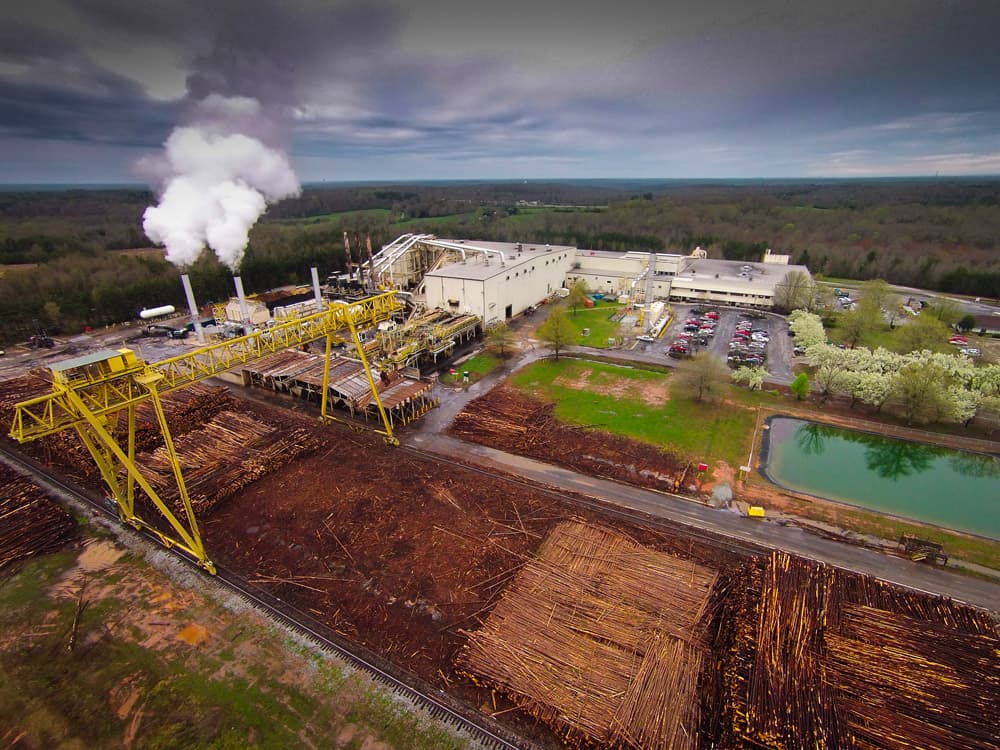
Interfor partially resumed operations at its Grand Forks, BC, sawmill, reversing an indefinite shutdown triggered by weak markets and high duties. This restart adds marginal SPF supply but highlights the severe headwind of the combined 45% US duty (AD/CVD/Section 232), making Canadian imports highly expensive for US buyers. Focus inventory strategy on US domestic production (SYP/US SPF) and maintain tight control ove…
Impact on Your Procurement Strategy
The partial restart of Interfor’s Grand Forks mill, while a positive signal regarding future confidence, offers minimal immediate relief to US dimensional lumber buyers facing supply constraints or seeking price moderation. The key takeaway remains the overwhelming cost barrier: the new 10% Section 232 tariff has pushed the total combined duty (Antidumping, Countervailing, and Tariffs) on Canadian imports to a crippling 45%.
This extreme duty level fundamentally shifts the economics of Canadian softwood lumber flowing into the US. For procurement managers, this means that even if Western SPF production increases slightly, that volume will not easily flow south to cap US price spikes. The 45% duty effectively prices marginal Canadian supply out of most US commodity markets (2x4s, 2x6s) unless domestic US prices soar high enough to absorb the tariff cost, which would require a massive, sudden surge in housing demand. Distributors must assume Canadian SPF will remain a high-cost specialty or gap-filling option, not a market stabilizer.
Interfor’s own statements confirm this strategic shift: they noted that only about 25% of their Canadian lumber is exported to the US, indicating a deliberate pivot toward US production assets (SYP region) and international markets to mitigate tariff exposure. This means that US demand pressure, historically shared with Canadian imports, is now almost entirely concentrated on US domestic production—specifically US SPF and Southern Yellow Pine (SYP).
Procurement teams must adjust their inventory strategies immediately. Given the high risk and unpredictable cost associated with the 45% duty, minimize reliance on Canadian-origin SPF for core inventory needs. Instead, focus on locking in predictable supply and pricing for US domestic material. The partial restart is a localized operational decision, not a sign of broader market recovery or tariff relief. Buyers should expect continued price volatility in US domestic materials as demand redirection puts pressure on finite US mill capacity and potentially extends lead times for SYP and US SPF products.
Key Takeaways
Do not rely on the restart for price relief; the 45% duty keeps Canadian imports prohibitively expensive for commodity 2x4s and 2x6s in most US regions.
Increase scrutiny on SYP and US SPF lead times; the 45% tariff wall will redirect demand pressure entirely onto domestic US mills.
Review Q1 inventory exposure to Canadian SPF. Limit high-tariff material and prioritize locking in US domestic contracts now to mitigate risk.
Market Outlook
Pricing Trend: STABLE Confidence Level: MEDIUM Recommended Action: Prioritize securing Q1 2026 contracts for US-produced dimensional lumber (SYP/US SPF) immediately. Assume Canadian volume will not stabilize US prices due to the crushing 45% duty. Use price alerts to track domestic price spikes.
How LumberFlow Helps
Use LumberFlow's automated price alerts to track the widening spread between Canadian SPF and US domestic lumber prices caused by the 45% duty. Leverage our multi-supplier RFQ system to quickly source and compare US-origin material against high-duty Canadian quotes.
Ready to stay ahead of market trends? Book a consultation with our team to see how LumberFlow's procurement platform transforms dimensional lumber buying.
AI procurement agent
Let your AI agent handle procurement
LumberFlow's AI reads supplier emails, extracts quotes, and generates RFQs automatically — so your buyers focus on decisions, not data entry.
Related Insights
Continue exploring lumber market analysis


Turn Market Insights Into Action
LumberFlow automates quote tracking, RFQ generation, and supplier negotiations so you can focus on strategic procurement decisions like the ones highlighted in this article.
Need help applying this insight?
Talk with a LumberFlow analyst about procurement playbooks tailored to your SPF program.