SYP Mill Capacity Paused in GA: What It Means for Buyers
Southern Forest Industries pauses its Smarr, GA, sawmill (Nov 13, 2025). Analyze the impact on SYP dimensional lumber pricing and Q1 2026 procurement strategy.
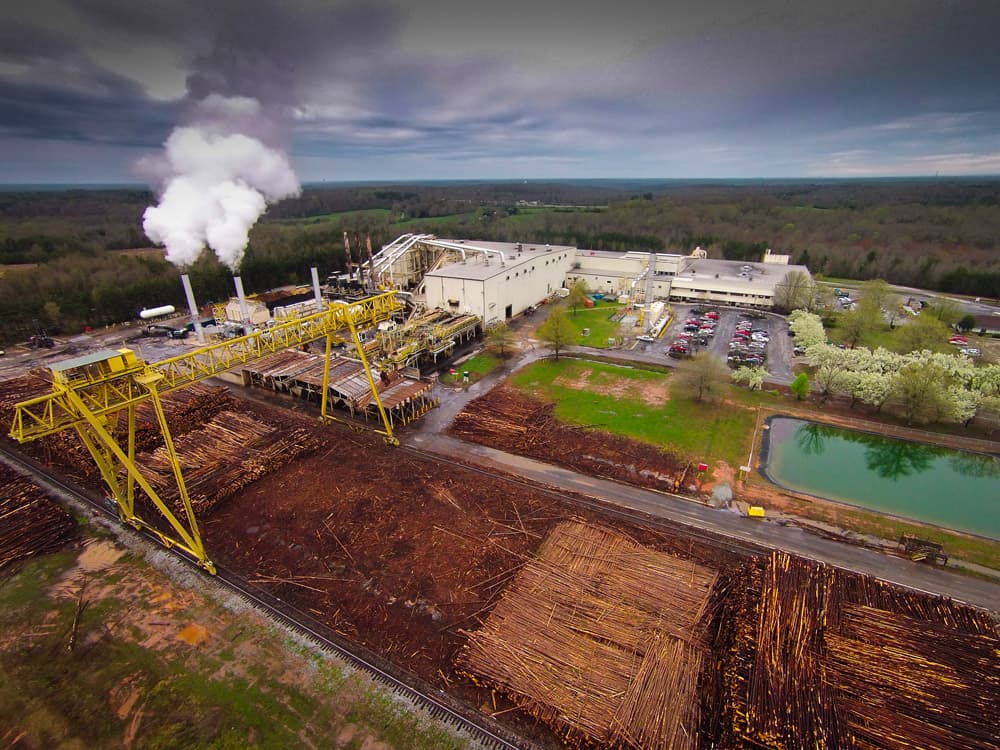
Southern Forest Industries (SFI) is temporarily halting production at its Smarr, GA, sawmill following the loss of its largest customer, PalletOne, citing inability to operate profitably in current market conditions. This capacity reduction removes SYP volume from the Southeast, providing a minor, temporary lift to supply concerns, but fundamentally confirms widespread market weakness and low pricing pressure in the…
Impact on Your Procurement Strategy
The temporary halt of operations at Southern Forest Industries’ Smarr, Georgia, sawmill, announced November 13, 2025, serves as a critical indicator of the strain weak demand and poor pricing are placing on Southern Yellow Pine (SYP) producers. While any mill capacity reduction fundamentally tightens regional supply, the reason for the shutdown is the most actionable insight for procurement managers: SFI explicitly stated it cannot maintain operations under “current market conditions” after losing a major customer.
For buyers of construction-grade dimensional lumber (2x4s, 2x6s, and studs), this news should be treated as confirmation of a generally bearish pricing environment, rather than a signal of impending supply shortages. While the Smarr mill volume will exit the market—reducing SYP availability in the immediate Georgia, Florida, and South Carolina region—the prevailing weakness in housing starts and overall construction activity is the dominant factor. This mill closure is a forced market correction; mills are cutting production because pricing is too low to sustain operations, especially in the face of reduced industrial demand (as evidenced by PalletOne’s departure). This action helps stabilize the floor for SYP pricing but does not generate significant upward pressure.
Buyers should leverage this data point in negotiations. The fact that a mill is pausing operations due to poor profitability underscores that suppliers are feeling acute pressure. Procurement teams should push for favorable contract pricing for Q1 2026. Given the confirmed market pain, distributors should aim to secure volumes at or near current spot levels, locking in cost certainty through January 31. We do not anticipate a significant spike in lead times or pricing volatility outside of localized spot markets in the Southeast.
Risk management should focus on maintaining efficient inventory rather than stockpiling. The primary risk remains holding high-cost inventory into a prolonged period of weak demand. While the loss of this specific volume might marginally tighten supply of lower-grade SYP (often used in industrial applications), the impact on high-grade construction lumber is buffered by existing mill inventory and the ability of larger regional producers to shift output. Continue to monitor housing starts data closely; until that indicator shows sustained recovery, these small, forced capacity reductions will be insufficient to flip the pricing trend from stable/low to bullish.
Key Takeaways
Leverage the confirmed market weakness to push for lower contract pricing on SYP for Q1 2026 delivery, confirming the bearish environment.
Recognize that this capacity reduction is a minor correction; the core problem is low demand, keeping the pricing outlook range-bound near current lows.
Review inventory levels in the Southeast; potential short-term tightening means buyers should ensure 3-4 weeks of critical SYP stock are covered locally.
Monitor industrial lumber pricing closely, as the loss of PalletOne volume suggests deeper weakness in the pallet and crating sectors.
Market Outlook
Pricing Trend: STABLE Confidence Level: MEDIUM Recommended Action: SYP buyers should focus on securing favorable Q1 2026 contract volumes now. Use the closure announcement (Nov 13) as evidence of mill pain, pressuring suppliers for lower margins and stable pricing through January 31.
How LumberFlow Helps
This market correction highlights regional volatility. Use LumberFlow's automated price alerts to track SYP pricing across multiple suppliers in the Southeast and Midwest to detect any sudden regional spikes. Our quote comparison dashboard helps you quickly evaluate bids and secure the lowest cost following this mill capacity change.
Ready to stay ahead of market trends? Book a consultation with our team to see how LumberFlow's procurement platform transforms dimensional lumber buying.
Market intelligence
Get AI supply disruption alerts
LumberFlow's AI monitors mill news, capacity signals, and supply chain events daily — alerting your team before disruptions hit your quotes.
Related Insights
Continue exploring lumber market analysis
Turn Market Insights Into Action
LumberFlow automates quote tracking, RFQ generation, and supplier negotiations so you can focus on strategic procurement decisions like the ones highlighted in this article.
Need help applying this insight?
Talk with a LumberFlow analyst about procurement playbooks tailored to your SPF program.