Lumber Supply Floor: US Sawmill Labor Hits 13-Year Low
US sawmill labor hits a 13-year low. Learn how structural labor shortages and import duties create a lumber supply floor and impact 2026 buying strategy.
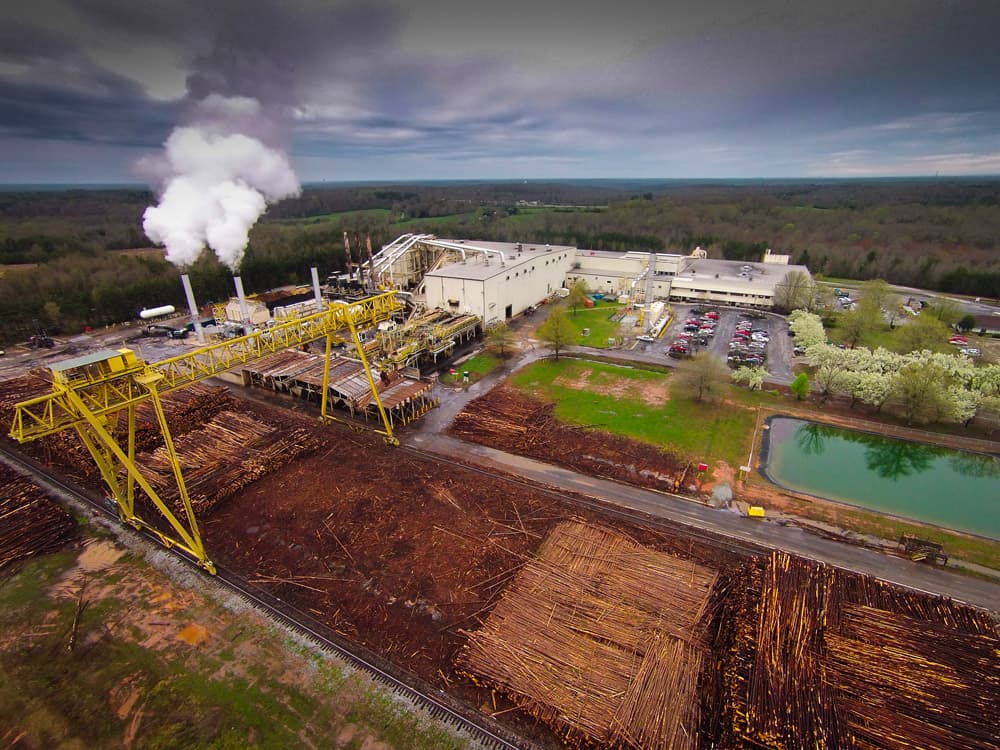
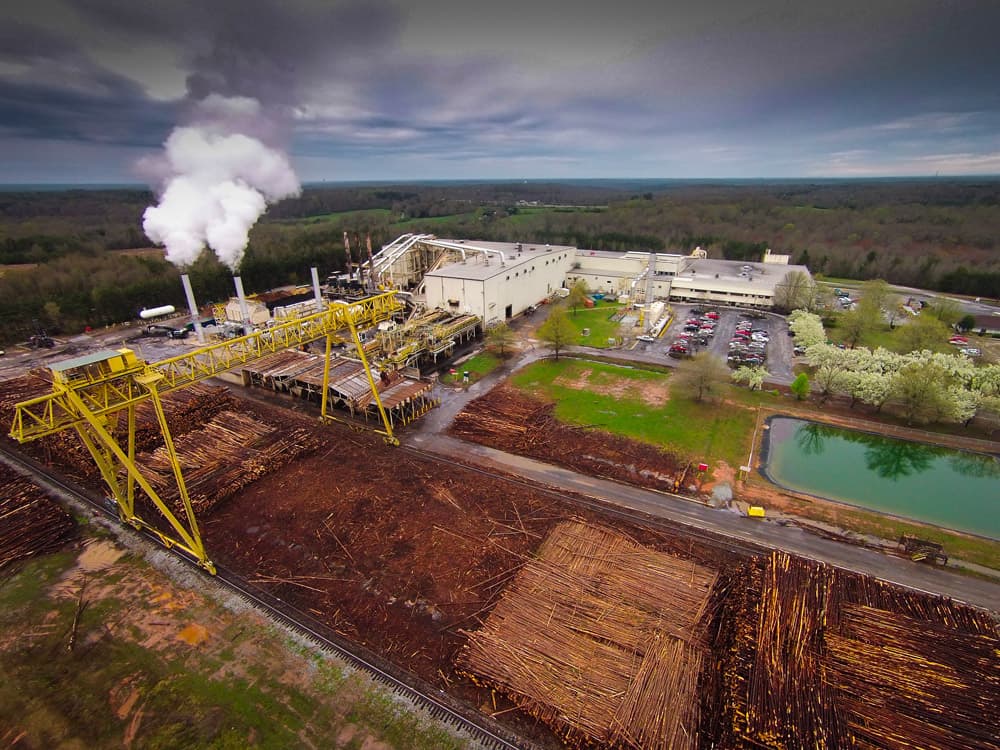
US sawmill employment dropped to 85,400 in Q3—a 13-year low and the tenth consecutive quarterly decline. This structural labor shortage, paired with reduced imports from higher duties, establishes a firm supply floor despite cooling demand. Procurement managers should prioritize short-term replacement buying as the market digests recent 2.1% price gains and tests a near-term ceiling.
LumberFlow Procurement
Put this market signal into the buy-side workflow it informs.
Impact on Your Procurement Strategy
The structural contraction of the US sawmill labor force reached a critical milestone in late 2025, with employment dropping below pandemic-era levels to its lowest point since 2013. While mill capacity utilization holds near 70%, the inability to recruit across ten straight quarters creates a hard production ceiling. Combined with higher Canadian import duties, the supply side is increasingly unable to overproduce, preventing the deep price 'flushing' seen in previous cycles.
Distributor-level inventory remains lean. Higher duties have shifted pressure to US South and Western mills already struggling with labor. This 'brittle' supply chain means any seasonal demand uptick could rapidly extend lead times. Prices recently rallied 2.1% over three weeks, but indicators suggest an overbought phase. Focus on 14-day rolling requirements to maintain liquidity. Monitor regional lead times, especially in the US South; if 2x4 and 2x6 #2 lead times exceed three weeks, diversify suppliers to mitigate production risks.
Key Takeaways
Sawmill employment at 13-year lows establishes a structural supply floor, preventing significant price collapses even during demand lulls.
Higher import duties have restricted softwood inflows, making the market highly sensitive to domestic labor constraints and production hiccups.
Avoid bulk speculative buys as the recent 2.1% price rally approaches a technical ceiling; prioritize inventory turnover and liquidity.
Market Outlook
Pricing Trend: STABLE
Confidence Level: HIGH
Recommended Action: Execute 14-day rolling buys only through March 31. Avoid speculative volume as prices reach a near-term ceiling following the recent 2.1% rally.
How LumberFlow Helps
Utilize the weekly price forecast to identify when the current rally plateaus, then cross-reference with daily market insights for labor updates. Use the LumberFlow procurement workflow to verify if mill quotes reflect broader stabilization.
Ready to stay ahead of market trends? Book a consultation with our team to see how LumberFlow's procurement platform transforms dimensional lumber buying.
RFQ command center
Turn supplier emails into a buying board
LumberFlow reads supplier emails, extracts quote details, and keeps buyer approval on every RFQ, counter, award, and PO.
Related Insights
Continue exploring lumber market analysis
Use this signal where buying decisions happen
LumberFlow puts market context beside active RFQs, quote economics, and follow-ups your buyer can approve.
Need help applying this insight?
Talk with a LumberFlow analyst about procurement playbooks tailored to your SPF program.