US Sawmill Capacity Falls 6% in Q1 2026
US sawmill capacity fell 6% in Q1 2026 as employment hit a 16-year low. Learn why lumber buyers should maintain a 14-day replacement cycle through July.
US sawmill capacity dropped 6% year-over-year in Q1 2026, according to the NAHB. Production fell for the second straight quarter as employment hit a 16-year low. Procurement managers should stick to a 14-day replacement cycle and avoid speculative buying while prices remain at a temporary ceiling.
LumberFlow Procurement
Put this market signal into the buy-side workflow it informs.
Impact on Your Procurement Strategy
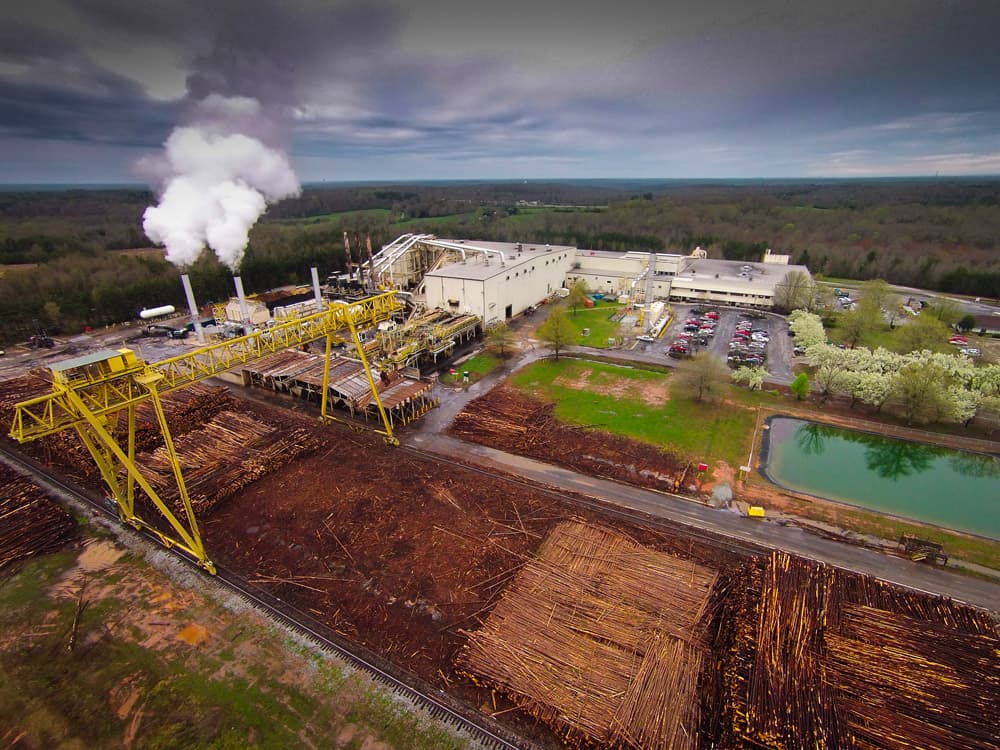
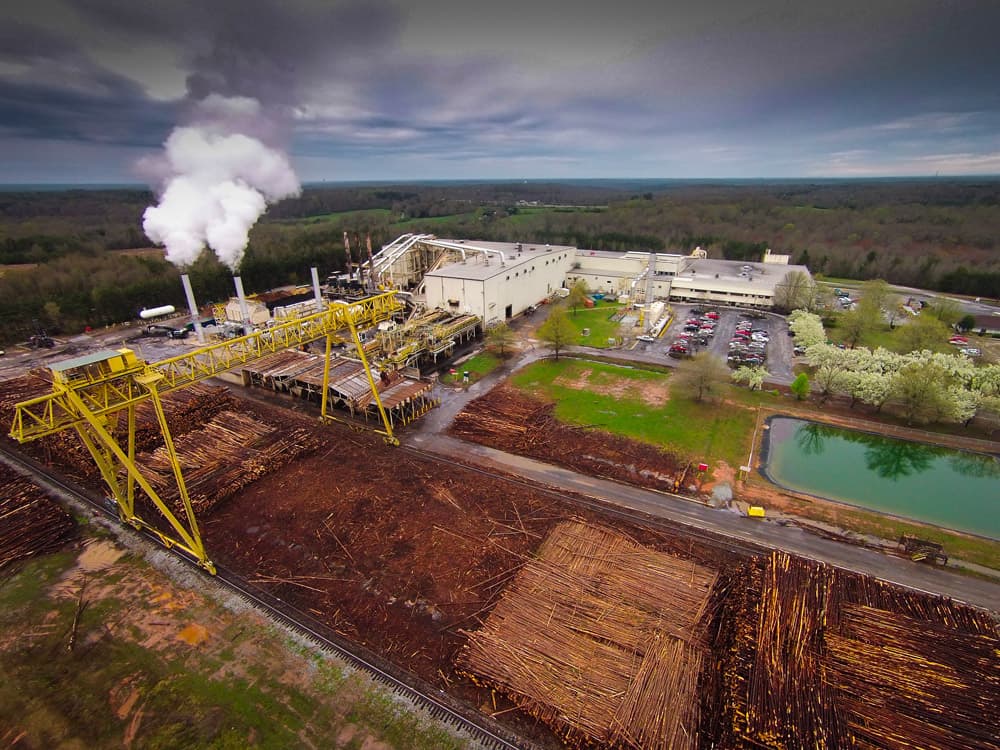
Federal Reserve data analyzed by the NAHB shows a shrinking US supply base. Total production capacity is down 6% year-over-year. This trend follows 12 consecutive quarters of declining sawmill employment, which now sits at 82,800 workers—the lowest level since 2010. Even though production dipped 0.4% from Q4 2025, the industry utilization rate rose to 71.8%. Mills are running harder, but they are doing so with fewer machines and less labor.
Demand is currently flat compared to 2023. While production is 1.7% higher than last year, the housing market hasn't generated enough volume to strain current inventories. Distributors are keeping stocks low because high housing costs are limiting builder activity. This weak downstream pull is keeping the recent 3.3% price momentum from turning into a rally.
For procurement managers, the smaller capacity footprint means lead times could extend quickly if demand spikes in late 2026. Since prices have hit a ceiling, there is no reason to build speculative inventory. Stick to a 14-day replacement cycle through July 2026 to protect margins. Looking toward the end of the year, the loss of labor makes the market vulnerable to supply shocks. Our models predict a modest 1.1% price change next week, but the long-term capacity withdrawal provides a floor for framing lumber prices. Buyers should consider diversifying suppliers to regions with more stable labor pools.
Key Takeaways
US sawmill capacity is down 6% year-over-year, tightening the domestic supply base.
Sawmill employment hit a 16-year low of 82,800 workers after 12 straight quarters of decline.
Maintain a 14-day buying cycle as prices plateau despite shrinking mill capacity.
Market Outlook
Pricing Trend: STABLE
Confidence Level: MEDIUM
Recommended Action: Stick to a 14-day replacement cycle through July 2026. Avoid overbuying while prices are at a temporary ceiling, even with the 6% capacity drop.
How LumberFlow Helps
Monitor the weekly price forecast to see if the 1.1% stability prediction holds. Use daily market insights for mill updates and LumberFlow to track regional lead time deviations.
Ready to stay ahead of market trends? Book a consultation with our team to see how LumberFlow's procurement platform transforms dimensional lumber buying.
RFQ command center
Turn supplier emails into a buying board
LumberFlow reads supplier emails, extracts quote details, and keeps buyer approval on every RFQ, counter, award, and PO.
Related Insights
Continue exploring lumber market analysis
Use this signal where buying decisions happen
LumberFlow puts market context beside active RFQs, quote economics, and follow-ups your buyer can approve.
Need help applying this insight?
Talk with a LumberFlow analyst about procurement playbooks tailored to your SPF program.