Montana Mill Closures Tighten Supply Amid Regional Rally
Montana mill closures and structural industry declines are tightening regional lumber supply as prices continue their upward momentum in early 2026.
The structural decline of Montana's forest industry, marked by the closure of Roseburg Forest Products and UFP Edge, is reducing regional supply capacity. This tightening comes as the market experiences continued upward pressure on framing lumber prices. Buyers should prioritize securing February inventory before further supply-side constraints drive costs higher.
Impact on Your Procurement Strategy
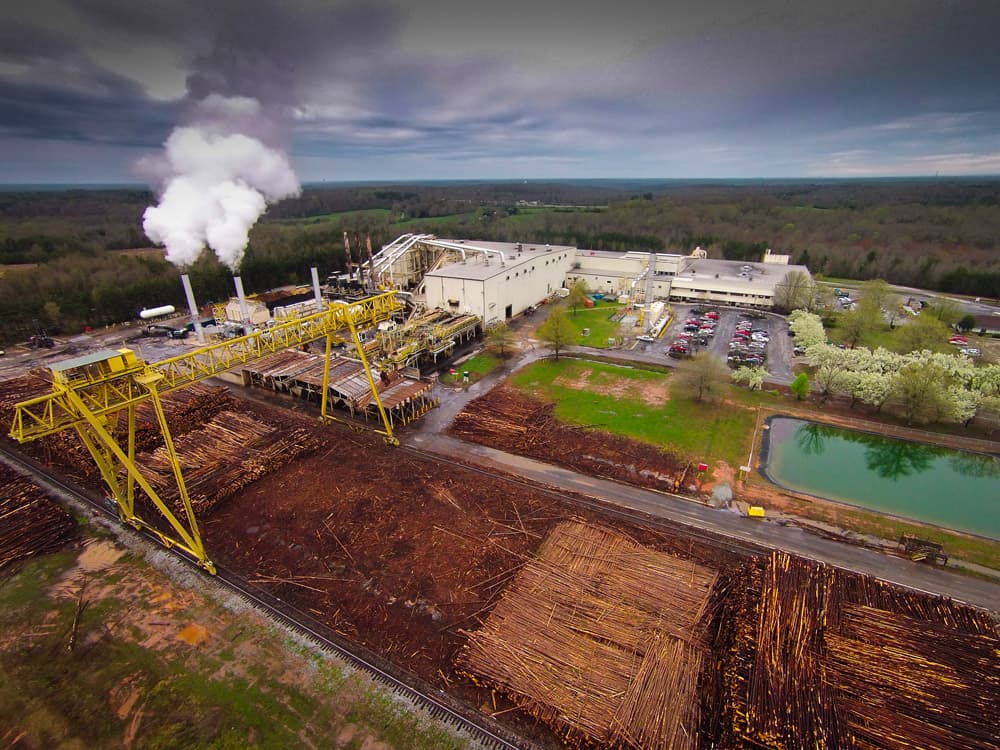
The ongoing contraction of the Montana forestry sector represents more than just localized job losses; it is a structural shift in regional supply dynamics. The closure of the Roseburg Forest Products particleboard facility has removed a critical outlet for mill residuals across the state. When sawmills cannot move residuals like chips and sawdust, their ability to maintain high-volume framing lumber production is compromised, creating a 'bottleneck' effect that can lead to unannounced curtailments.
Currently, the market is in an accelerating rally, with prices trending significantly above the 12-week moving average. This momentum is fueled by a combination of these regional capacity losses and a broader seasonal inventory build. While the article highlights a long-term decline in forestry employment—falling to 7,649 workers by 2025—the immediate impact for procurement managers is the reduction in available 'open market' wood from the Mountain region.
Looking ahead, the 12-week trend remains firmly in an UPTREND with a high strength score of 0.89. Despite the macro uncertainty cited in the news, the technical data suggests that the market has not yet reached a ceiling. Volatility remains HIGH at 16.1%, indicating that price swings will be aggressive. Buyers who have been waiting for a 'dip' based on the news of industry decline should instead recognize that these mill closures provide a floor for prices by keeping supply lean.
For distributors in the Pacific Northwest and Upper Midwest, the loss of UFP Edge and Pyramid Mountain Lumber means longer haul distances and potentially extended lead times as sourcing shifts to larger, more distant mills. We expect continued upward pressure through the first half of February as the market absorbs these structural changes.
Key Takeaways
Montana mill closures (Roseburg, Pyramid, UFP Edge) have removed critical residual outlets, threatening regional sawmill operating rates.
Lumber pricing is in an accelerating rally, currently trending 11.8% above the 12-week moving average with no immediate signs of a reversal.
The 7-day ML forecast predicts a further 2.8% price increase, suggesting that current levels are still a 'buy' relative to next week's expected costs.
Market Outlook
Pricing Trend: UP
Confidence Level: MEDIUM
Recommended Action: Commit to remaining February framing lumber volume by the Feb 6 forecast target. The structural loss of Montana capacity and the predicted 2.8% price increase make waiting for a market correction a high-risk strategy.
How LumberFlow Helps
Stay ahead of regional supply shifts by monitoring the weekly price forecast for species-specific movements. Use LumberFlow's procurement workflow to compare live offers against daily market insights to ensure you aren't overpaying during this volatile rally.
Ready to stay ahead of market trends? Book a consultation with our team to see how LumberFlow's procurement platform transforms dimensional lumber buying.
Market intelligence
Get AI supply disruption alerts
LumberFlow's AI monitors mill news, capacity signals, and supply chain events daily — alerting your team before disruptions hit your quotes.
Related Insights
Continue exploring lumber market analysis

Turn Market Insights Into Action
LumberFlow automates quote tracking, RFQ generation, and supplier negotiations so you can focus on strategic procurement decisions like the ones highlighted in this article.
Need help applying this insight?
Talk with a LumberFlow analyst about procurement playbooks tailored to your SPF program.