Canfor Plateau Sale Confirms 1070-Acre 2026 BC Closure
Canfor's 1070-acre Plateau mill sale in Q3 2026 solidifies permanent BC Western SPF capacity loss. See how to manage your lumber procurement now.
Canfor completed the sale of its 1070-acre Plateau sawmill site in Vanderhoof, British Columbia, to a coalition of four First Nations. This transaction permanently removes the mill's historical Western SPF capacity from the market while regional framing lumber prices maintain a 5.4% three-week upward trend. Buyers should secure remaining Q3 framing needs this week to hedge against regional supply constraints before p…
Free every Monday
Next week's price direction, beside the buy you are weighing.
Impact on Your Procurement Strategy
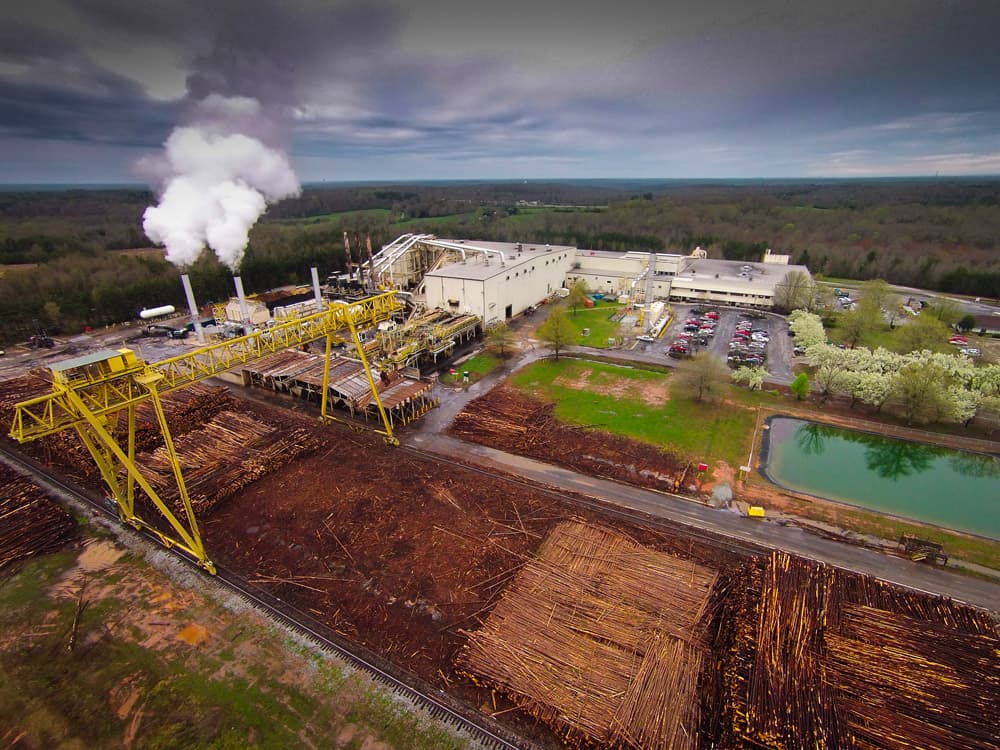
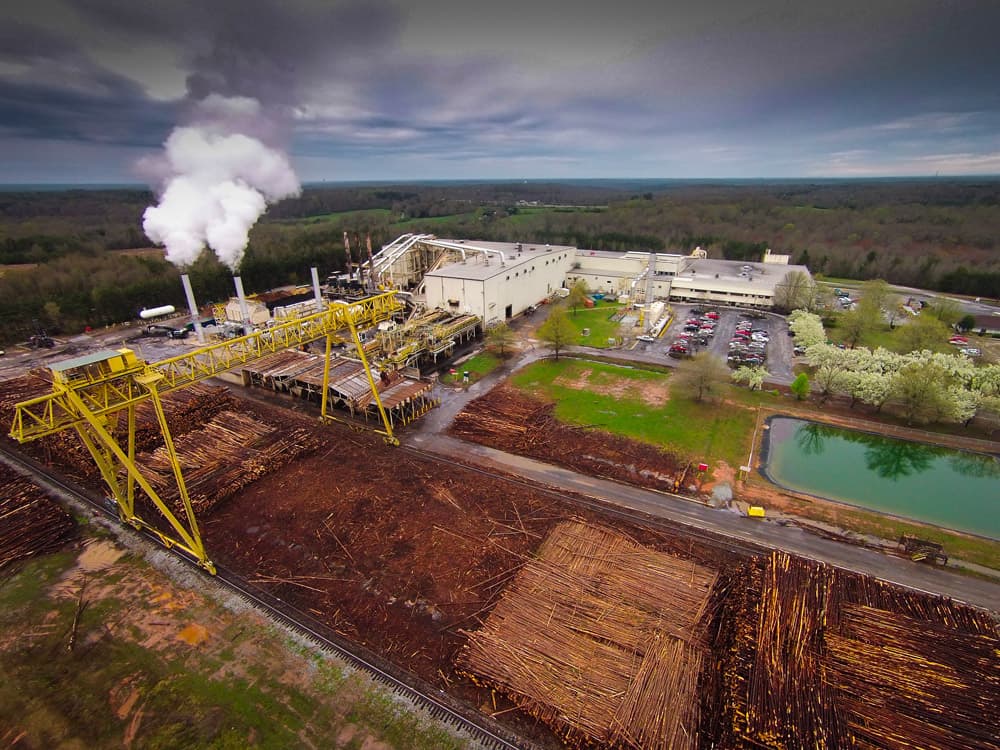
Canfor completed the sale of its 1070-acre former Plateau sawmill site in Vanderhoof, British Columbia, to a coalition of four First Nations on June 30, 2026. This transaction officially ends any possibility of this facility restarting. The purchasing coalition, which includes the Stellat'en, Nadleh Whut'en, Saik'uz, and Lheidli T'enneh First Nations, will convert the property into the Ncha Koh Industrial Park. They will immediately lease it to BC Hydro for a 4-year term. This transition represents a permanent loss of regional manufacturing capacity, ensuring that the production volumes lost when the mill closed in December 2024 will never return to the Western SPF pipeline. For distributors, this transaction confirms the structural supply contraction in Western Canada, which continues to exert upward pressure on current lumber prices and weekly forecast across North American distribution networks.
The permanent removal of the Plateau facility highlights the ongoing supply-side squeeze in British Columbia, where high log costs and harvest constraints have forced major producers to rationalize capacity. When Canfor shuttered the Vanderhoof mill, it stripped significant volume from the market, as shown by the 11% reduction in the local municipality's tax base. The site's immediate repurposing for the $6-billion North Coast Transmission Line project shows how former timber assets are being permanently diverted to non-forestry industrial uses. As a consequence of these regional curtailments, Western SPF supply remains highly sensitive to any sudden demand spikes, with mill order files extending out several weeks and keeping overall market volatility elevated at a 12.2% four-week average.
On the demand side, the market is navigating a complex landscape where high financing costs continue to influence housing starts and lumber demand at the builder level. While builder sentiment remains cautious, steady construction activity has prevented a major buildup of distributor inventories, leading to a highly reactive replacement-buying pattern. Distributors are currently maintaining lean inventories, preferring to buy hand-to-mouth rather than building speculative stock. This disciplined stocking behavior has kept the supply chain lean, meaning any localized logistical disruptions or sudden seasonal demand shifts can quickly trigger rapid price escalations. In particular, multi-family construction projects scheduled for late 2026 are keeping steady pressure on wider dimension lumber tallies, preventing a deeper downward correction even as single-family builders slow their purchasing pace. For instance, US housing starts in May 2026 showed a minor 1.5% month-over-month decline, yet multi-family permits rose by 2.1%, demonstrating that demand remains segmented but active.
This represents a shift from our recent bullish stance, as we are now transitioning to a neutral or stable outlook for the immediate weeks ahead. While framing lumber prices have shown strong upward momentum, rising 5.4% over the past three weeks, this rally is beginning to decelerate as the market reaches an overbought threshold. Our machine learning models indicate a 70% confidence that prices will remain stable over the next seven days, suggesting the recent upward surge is finding a temporary ceiling. Procurement managers should adjust their strategies accordingly: rather than chasing the recent rally with speculative volume, buyers should focus on securing highly specified tallies for immediate 30-day job-site needs while avoiding over-commitment at these elevated levels.
Geographically, the Western Canadian supply crunch will continue to disproportionately affect distributors in the US Midwest and Northeast who rely heavily on SPF rail shipments. To navigate these regional supply imbalances and volatile mill lead times, advanced distributors are increasingly adopting lumber procurement software to streamline their supplier networks and secure competitive quotes. Leveraging these digital platforms allows buyers to quickly identify alternative supply channels, such as Southern Yellow Pine (SYP) or coastal species, when Canadian rail shipments face extended 2-3 week delays. Maintaining a diversified supplier base is the most effective risk management tool as the industry adapts to the permanent loss of historical production centers like Vanderhoof, which previously contributed over 150 million board feet annually to the North American market. By tracking these regional shifts, buyers can protect their margins against sudden 5% to 10% price spikes in specific dimensions.
Key Takeaways
Canfor's Plateau mill sale permanently removes Western SPF capacity, cementing the structural supply squeeze in British Columbia as the site becomes an industrial park.
Framing lumber prices show a 5.4% three-week upward momentum, but buyers should note that this rally is decelerating as the market approaches an overbought threshold.
Transition procurement strategies to a neutral stance, securing highly specified tallies for immediate 30-day needs rather than building speculative inventory.
Market Outlook
Pricing Trend: STABLE
Confidence Level: MEDIUM
Recommended Action: Pivot to a neutral buying stance this week and secure only highly specified tallies for 30-day job-site needs as the recent 5.4% price rally begins to plateau.
Will the sale of Canfor's Plateau mill affect SPF prices in 2026?
Yes, but the impact is structural rather than immediate. The sale of the 1070-acre site for industrial development ensures that its historical production capacity is permanently gone, keeping long-term Western SPF supply tight.
How should distributors manage inventory given the current 5.4% price momentum?
With momentum decelerating and our models predicting stable pricing with 70% confidence, buyers should avoid speculative stocking. Focus on securing specific tallies for immediate 30-day job-site needs.
How LumberFlow Helps
Pair workflow execution in LumberFlow with our weekly price forecast to identify the optimal window for your upcoming buys. Track these structural capacity shifts and daily price movements with our free daily market insights to keep your procurement team ahead of regional supply squeezes.
See LumberFlow read your own supplier quotes — book a 20-minute demo.
Sources & References
Monday forecasts
Put this forecast beside your active quotes
Get the free Monday forecast, then see how LumberFlow compares it against quote economics, SKU match, and supplier follow-ups.
Related Insights
Continue exploring lumber market analysis
Use this signal where buying decisions happen
LumberFlow puts market context beside active RFQs, quote economics, and follow-ups your buyer can approve.
Need help applying this insight?
Talk with a LumberFlow analyst about procurement playbooks tailored to your SPF program.