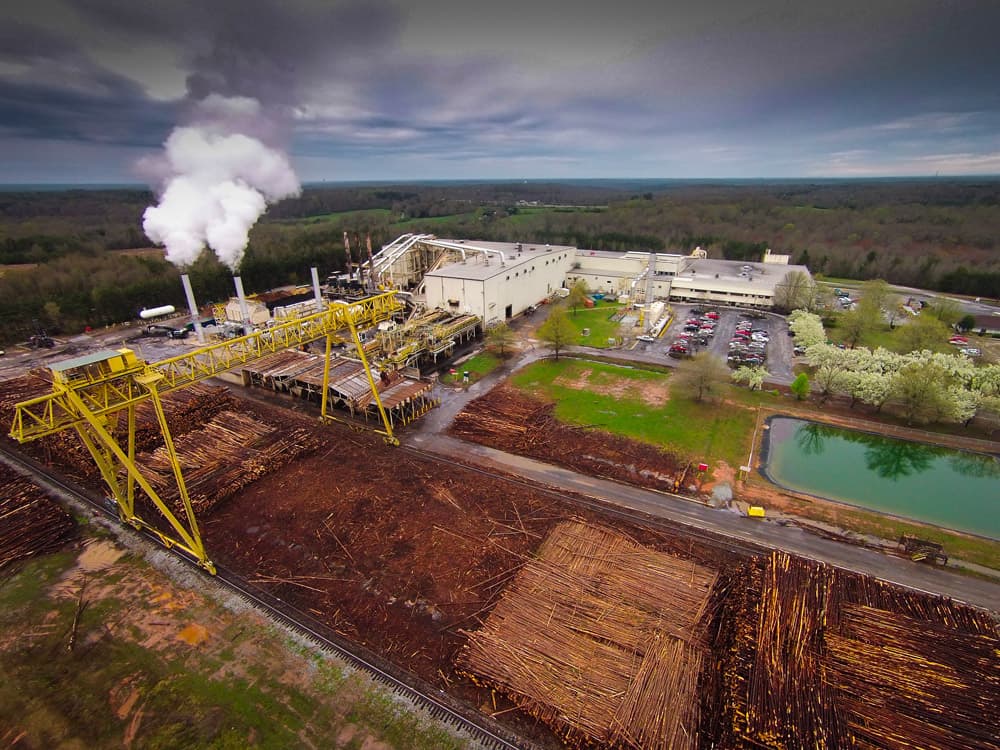
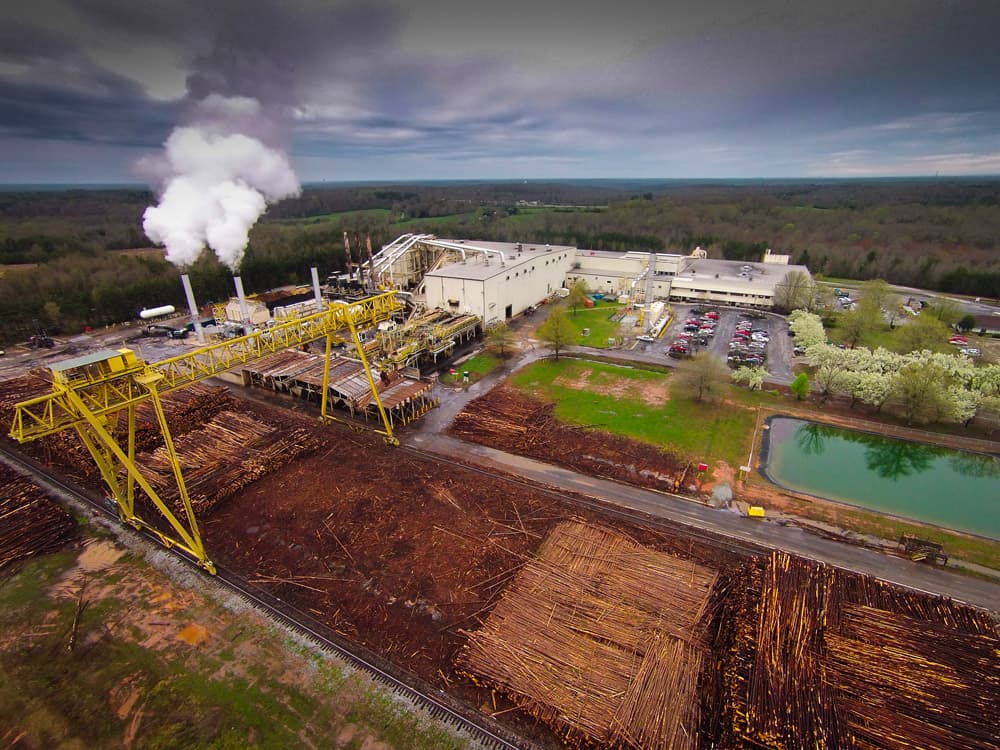
WFP Extends 2026 Cowichan Curtailment Tightening SPF Supply
WFP extends Cowichan Bay curtailment through September 2026, keeping BC SPF tight while US home sales fall 2.4% — see our Q3 buying strategy.
British Columbia producer Western Forest Products has extended its Cowichan Bay sawmill curtailment through September 2026 due to weak demand. This extension keeps 54 workers sidelined and compounds the ongoing indefinite shutdown at the nearby Chemainus facility. WSPF buyers should maintain a neutral buying stance and secure only highly specified tallies for immediate 30-day needs as prices stabilize.
Radar · free beta
The construction projects in your territory are already compiled. See the ones worth a call.
Impact on Your Procurement Strategy
In Western Canada, British Columbia producer Western Forest Products announced that it will extend the curtailment of its Cowichan Bay sawmill through September 2026. This operational decision (event) keeps 54 employees out of work and directly reduces the immediate availability of coastal lumber products (impact). This extension comes on top of the company's ongoing indefinite curtailment at its Chemainus sawmill, which has been offline since July 2025 and is officially projected to remain closed through the entirety of 2026, impacting another 150 workers. These persistent supply reductions demonstrate that Canadian producers are aggressively managing capacity in response to depressed margins, restricting the flow of Western Softwood lumber into US distribution channels. For US distributors, this means that the availability of specific high-quality coastal species, such as Hem-Fir and Douglas Fir, will remain constrained, forcing buyers to look toward alternative supply lines in the Pacific Northwest.
Beyond individual mill closures, the wider Canadian supply chain is undergoing structural shifts supported by public policy. Natural Resources Canada recently announced nearly CAD $130 million in federal funding across 56 projects to support bioenergy, biocarbon, and value-added wood manufacturing. As part of this initiative, the Forest Enhancement Society of BC will receive $37 million to increase the utilization of low-value and residual forest fibre, facilitating its collection and transport. While these programs aim to diversify the industry long-term, they also reflect a broader regional effort to cope with high fiber costs and harvest constraints. The ongoing curtailments in British Columbia (event) have restricted regional production, keeping WSPF supply tight and preventing any rapid build-up of mill order files through the third quarter of 2026. This structural shift means that even if demand spikes, Canadian mills cannot easily ramp up production, ensuring that supply-side pressure remains a constant factor.
On the demand side, macroeconomic headwinds continue to limit the pace of residential construction and inventory consumption. The National Association of Realtors reported that US existing-home sales fell 2.4% in June 2026, though sales managed a modest 2.8% increase compared to a year ago. Total housing inventory ended the month at 1.56 million units, representing a 4.6-month supply of homes. At the same time, financing costs are creeping upward again, with Freddie Mac reporting that the 30-year fixed-rate mortgage averaged 6.49% for the week ending July 9, up from 6.43% the prior week. Higher mortgage rates (event) are dampening affordability and slowing the rate of home sales, which directly limits housing starts and lumber demand at the distributor level as builders pull back on new projects. With the housing affordability index sitting at 102.3, buyers are highly price-sensitive, which translates to a slow and steady drawdown of yard inventories rather than aggressive restocking.
Given these conflicting signals of restricted supply and sluggish demand, procurement managers must adopt a disciplined inventory policy. Although framing lumber prices climbed 5.4% over the last three weeks, this upward momentum is decelerating, and our predictive models expect pricing to remain stable in the near term. Since prices have run hot recently and are currently showing signs of plateauing, buyers should avoid chasing the market with speculative volume. Distributors should pivot to a neutral stance, securing only highly specified tallies for immediate 30-day job-site needs to protect margins. Relying on advanced lumber procurement software can help buyers benchmark supplier quotes, automate their inquiries, and avoid overpaying during periods of elevated volatility. By keeping inventories lean, distributors can mitigate the risk of sudden price corrections while maintaining enough stock to service consistent, day-to-day contractor demand.
As we move deeper into the third quarter of 2026, the lumber market is poised for a period of consolidation. The supply-side tightening from Western Canadian mill closures will help establish a firm floor under prices, but the sluggish existing-home market suggests there is little demand-side catalyst to drive a major breakout. Buyers should monitor local distributor stocking patterns and regional mill lead times, which currently hover in the normal range of 2 to 3 weeks. By focusing on margin protection and avoiding speculative long positions, distributors can successfully navigate this high-volatility regime. Understanding the microeconomic factors affecting lumber prices will be critical for timing replacement purchases as mill order files adjust to the extended shutdowns. We recommend maintaining close communication with primary mills to secure specialized tallies before late-summer logistics bottlenecks arise.
Key Takeaways
Western Forest Products extended its Cowichan Bay sawmill curtailment through September 2026, keeping regional WSPF supply tight as producers manage weak margins.
US existing-home sales fell 2.4% in June 2026, while 30-year fixed mortgages rose to 6.49%, signaling a cooling demand side that caps near-term lumber price breakouts.
Pivot to a neutral buying stance, securing only highly specified tallies for immediate 30-day needs to protect margins as framing lumber price momentum plateaus.
Market Outlook
Pricing Trend: STABLE
Confidence Level: MEDIUM
Recommended Action: Pivot to a neutral buying stance this week and secure only highly specified tallies for immediate 30-day needs — avoid speculative volumes as WSPF price momentum is expected to remain stable through late July.
Why did Western Forest Products extend its sawmill curtailments in 2026?
Western Forest Products extended its Cowichan Bay sawmill curtailment through September 2026 due to persistently weak market conditions. This operational decision affects 54 workers and follows an indefinite curtailment at the Chemainus mill that is expected to continue through the end of 2026, impacting another 150 workers.
How is the US housing market affecting lumber demand in Q3 2026?
The US housing market shows signs of cooling as existing-home sales fell 2.4% in June 2026, while 30-year fixed mortgage rates rose to 6.49% for the week ending July 9. These factors are dampening housing affordability, which registered at 102.3, leading to a slower drawdown of lumber inventory at the distributor level.
How LumberFlow Helps
Procurement managers can navigate this plateauing market by tracking the weekly price forecast alongside our free daily market insights to identify optimal purchasing windows. By leveraging the agentic sentiment analysis built into the LumberFlow procurement workflow, buyers can evaluate real-time supplier quotes and avoid overpaying for specialized tallies.
See LumberFlow read your own supplier quotes — book a 20-minute demo.
Radar · free beta
See which local construction projects are worth a call
Radar ranks the local construction takeoffs by profitability potential and deal size, gives each job pack an owner, and keeps follow-up visible. The projects in your territory are already compiled.
Related Insights
Continue exploring lumber market analysis