Southern Pine Prices July 2026: CPKC Rail Opens
Bienville Lumber's CPKC rail link expands Southern Pine supply as 2026 tariffs of 35.19% squeeze Canadian SPF. Learn how to manage procurement in Q3.
Bienville Lumber Company launched its first CPKC rail shipments from its Taylor, Louisiana sawmill to expand Southern Pine distribution. The mill produced 160 million board feet in 2024 and plans to double output. Buyers should cover immediate 30-day needs this week as cash prices consolidate near $620 per thousand board feet.
Track this in real time
Netback math and current duty rates, updated as the rate changes.
Impact on Your Procurement Strategy
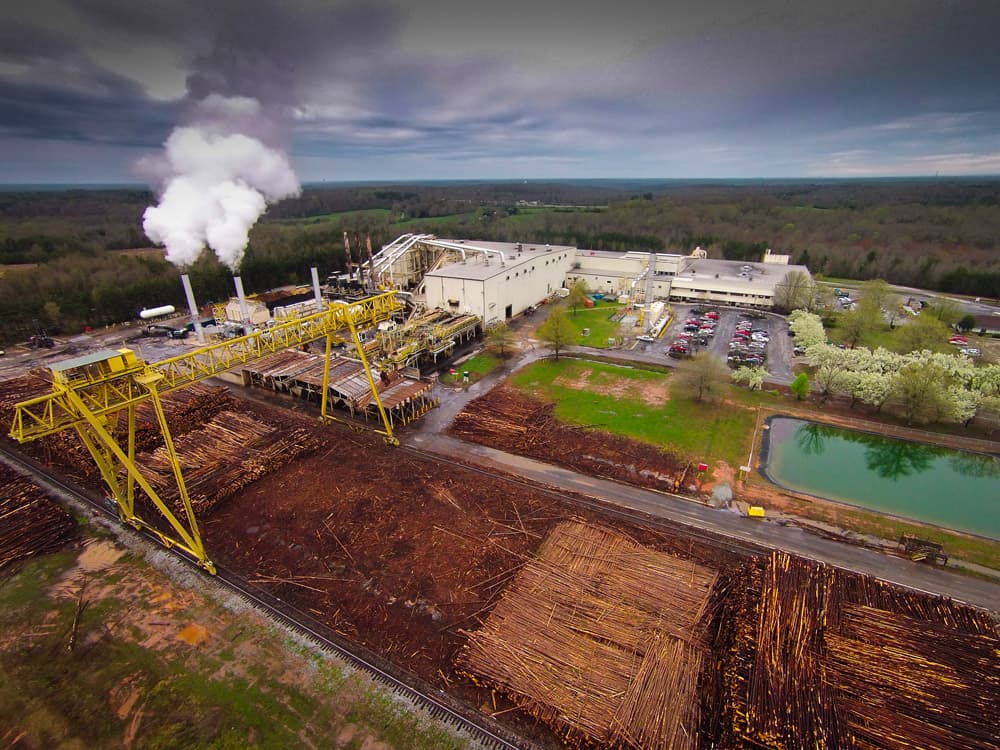
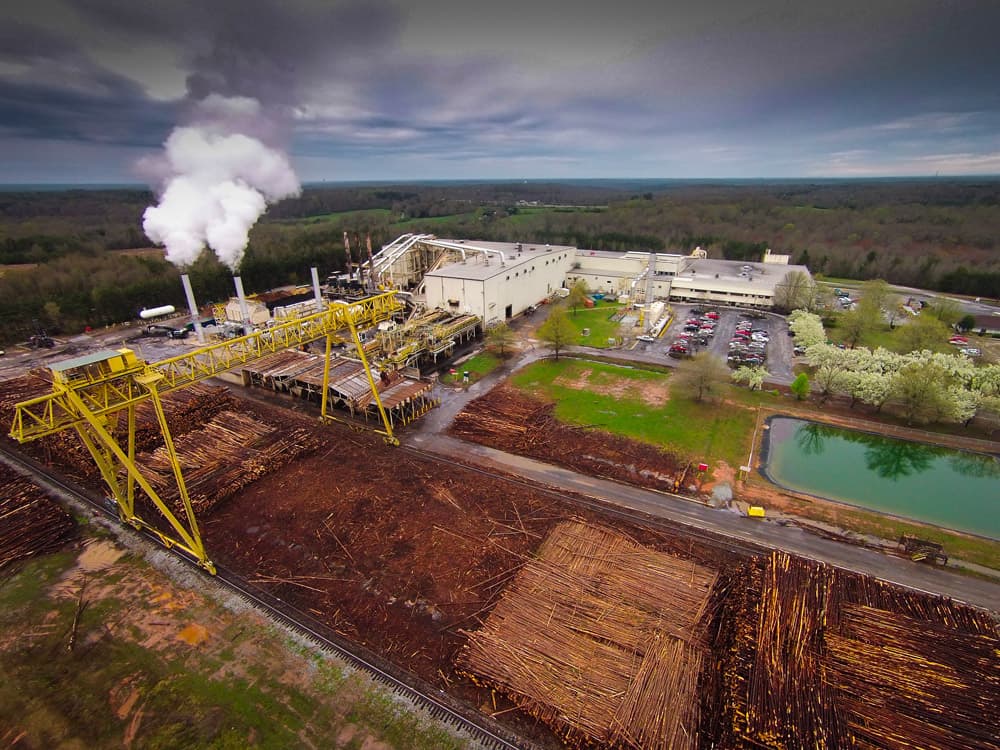
Bienville Lumber Company, a joint venture between Tolko Industries and Hunt Forest Products, has commenced commercial rail shipments via a new Canadian Pacific Kansas City (CPKC) connection at its Taylor, Louisiana sawmill. This infrastructure milestone unlocks direct rail access to major Midwestern and Western distribution hubs, which improves supply chain flexibility for Southern Yellow Pine (SYP) buyers. The Taylor mill, which produced over 160 million board feet of Southern Pine in 2024, plans to more than double its annual capacity to 320 million board feet over the next three years, which brings 160 million board feet of additional grades ranging from #2 prime to MSR to the broader B2B market. This logistical breakthrough represents a structural shift and allows Southern mills to compete directly in long-distance markets historically dominated by Canadian imports.
This logistical expansion comes at a critical time for domestic softwood supply. While Southern Pine production is poised to grow through Bienville’s expansion, Canadian import channels remain severely constrained. Following the summer 2025 tariff hike that pushed Canadian softwood lumber duties to 35.19%, plus an additional 10% Section 232 tariff, Western SPF shipments into the US have plummeted. This supply squeeze has forced distributors to look south for replacement volumes. The CPKC connection allows Bienville to bypass regional trucking bottlenecks and provides consistent, long-distance rail transport that will help stabilize the supply of critical framing dimensions across North American yards.
On the demand side, macroeconomic indicators present a mixed picture for distributor inventory drawdowns. The National Association of Home Builders (NAHB) reported that its Remodeling Market Index (RMI) slipped one point to 61 in Q2 2026, which indicates that while remodeling sentiment remains in expansion territory, inflation and a 6.7% average material price increase since March are delaying larger projects. Meanwhile, Redfin reported that seasonally adjusted US pending home sales rose 1.3% week-over-week for the period ending July 5, 2026, driven by a temporary dip in mortgage rates to 6.43%. This brief demand spark demonstrates that underlying housing starts and lumber demand remain highly sensitive to borrowing costs, which keeps distributor inventories lean as buyers resist building speculative stock.
To navigate this environment, procurement managers must take a balanced approach to current lumber prices and weekly forecast metrics. Although cash prices rose 1.4% in early July 2026 to push broader benchmarks near $620 per thousand board feet, the market exhibits signs of consolidation. Buyers should use lumber procurement software to automate quote gathering and focus on securing highly specified tallies rather than speculative bulk loads. Given the high volatility regime, procurement managers should cover immediate 30-day needs and avoid chasing the recent 5.1% three-week price run-up, as futures have already begun to soften, settling at $623.00 on July 10. This price action suggests that the upward momentum is losing steam, which makes aggressive long-term commitments highly risky at this juncture.
Regionally, Canadian supply will continue to face headwinds as Statistics Canada reported a 1.7% drop in May building permit values, though residential construction intentions managed a 1.2% gain to CA$7.7 billion. For US buyers, this means Canadian SPF will remain expensive and tight throughout Q3 2026 due to the current US tariffs on Canadian softwood lumber. Consequently, Southern Pine will continue to gain market share in structural framing applications. Buyers should leverage RFQ automation for lumber to diversify their supplier base, and pit domestic Southern mills against Western SPF alternatives to protect margin as the market seeks a stable equilibrium.
Looking forward into the remainder of Q3 2026, the supply-demand balance suggests a plateau of the recent upward price momentum. The market's technical indicators support this shift toward stabilization; prices have risen rapidly over the past month but are now encountering resistance as buyer fatigue sets in. Our quantitative models project that prices will remain relatively flat over the next seven days, and signal a temporary equilibrium between restricted Canadian supply and cautious domestic demand. Buyers who align their purchasing schedules with these stabilizing signals can avoid overpaying during temporary price spikes. To manage this transition, distributors should review their inventory turnover rates weekly, targeting a 15-day safety stock level to remain agile if regional logistics shift.
Key Takeaways
Bienville Lumber's new CPKC rail connection expands Southern Pine distribution from its Taylor, LA mill to help offset tight Canadian SPF imports in Q3 2026.
Madison's Lumber Price Index rose 1.4% to $620/MBF, but soft futures and high volatility suggest prices are stable; limit purchases to 30-day needs.
NAHB's Remodeling Market Index slipped to 61 in Q2, as 74% of remodelers report a 6.7% average material price hike, which dampens large-scale project demand.
Market Outlook
Pricing Trend: STABLE
Confidence Level: MEDIUM
Recommended Action: Buy immediate 30-day needs for structural framing this week to protect margins as cash prices near $620/MBF consolidate and soft futures signal the 5.1% run-up has peaked.
How will the new CPKC rail connection at the Bienville mill affect Southern Pine supply?
The connection allows the Taylor, Louisiana mill, which produced 160 million board feet in 2024, to bypass trucking bottlenecks and ship directly to Midwestern and Western markets. This increases availability and stabilizes lead times for Southern Pine grades across North America.
Are lumber prices expected to continue rising in July 2026?
While cash prices rose 1.4% in early July to around $620 per thousand board feet, futures have softened to $623.00. Our forecast projects stable prices over the next 7 days, which indicates that the recent 5.1% three-week price run-up is losing momentum.
How LumberFlow Helps
Pair workflow execution in LumberFlow with the weekly price forecast and the free daily market insights to protect margin and avoid mistimed buys. Use the automated sentiment tool to flag bullish or bearish signals directly at the sourcing request level.
See LumberFlow read your own supplier quotes — book a 20-minute demo.
Duty tracker
Verify the current duty before using this trade signal
Check current Canadian softwood lumber duty rates and landed-cost math, then bring the verified figure into your buying decision.
Related Insights
Continue exploring lumber market analysis
Use this signal where buying decisions happen
LumberFlow puts market context beside active RFQs, quote economics, and follow-ups your buyer can approve.
Need help applying this insight?
Talk with a LumberFlow analyst about procurement playbooks tailored to your SPF program.