Irving's 250 MMBF Maine Expansion Alters 2026 Supply
Irving's Maine sawmill expansion will double capacity to 250 MMBF by Q2 2026. What this regional Eastern SPF supply boost means for lumber buyers.
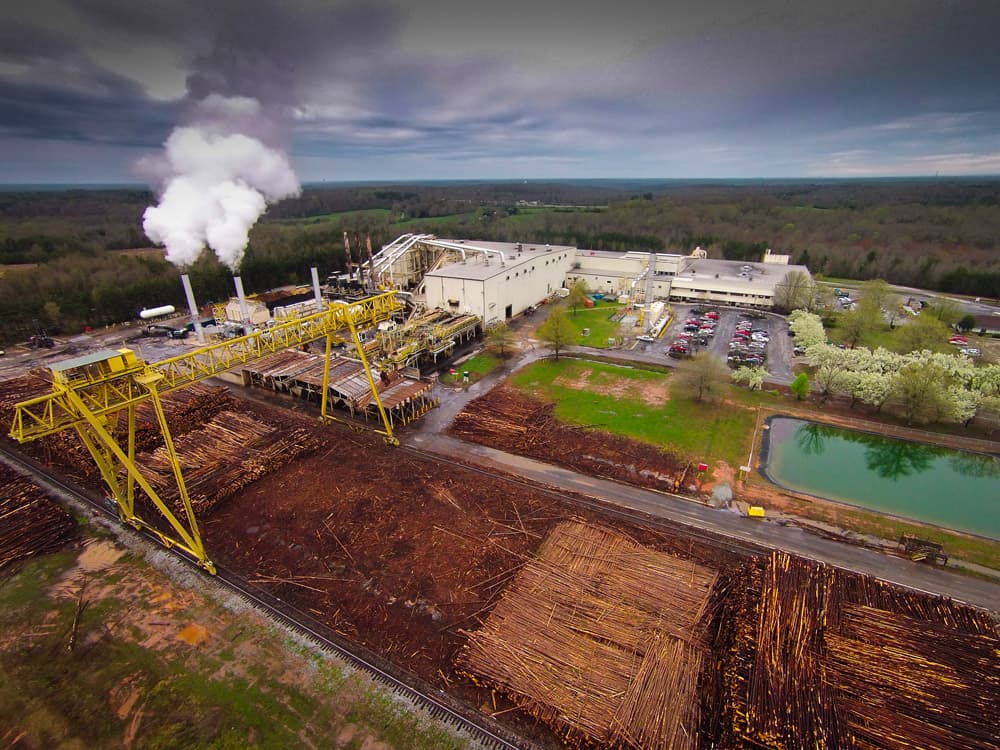
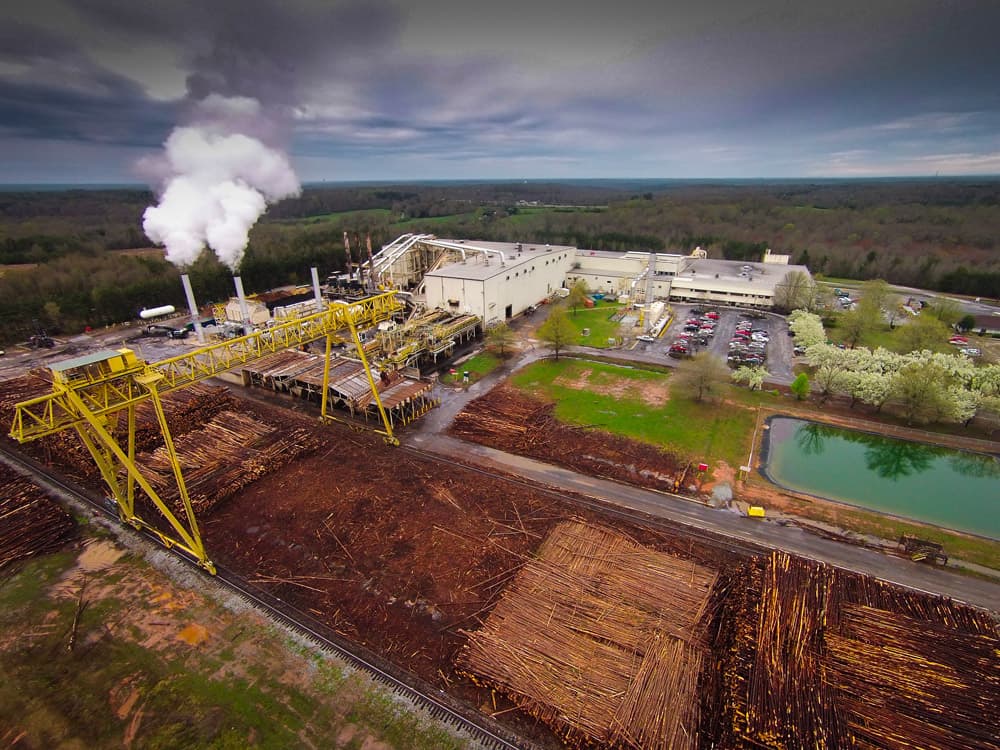
Irving Forest Products is expanding its Nashville Plantation sawmill in Maine using state development financing. The project will double the mill's annual capacity from 130 million board feet to 250 million board feet by Q2 2026. Northeast distributors should secure immediate 30-day tallies this week and avoid long-term speculative positions as regional supply increases.
AI procurement agent
Apply this market insight to your procurement strategy with LumberFlow.
Impact on Your Procurement Strategy
Irving Forest Products is expanding its Nashville Plantation, Maine sawmill after the Finance Authority of Maine (FAME) approved state tax credit certificates tied to five investments totaling $42 million. This modernization project will double the facility's annual production capacity from 130 million board feet to 250 million board feet. For Northeast distributors, this expansion provides a localized supply injection of 120 million board feet annually that will alter regional procurement dynamics and bolster Eastern SPF availability as the project nears completion in Q2 2026.
This eastern capacity growth comes as West Coast Canadian log costs remain firm. Madison's Lumber Reporter highlights that coastal British Columbia log prices continue to face upward pressure across Western Red Cedar, Douglas Fir, and Hemlock/Balsam species, with some coastal log prices rising 8% over the last quarter. While western mills struggle with high log input costs, the expansion in Maine represents a broader structural shift toward regionalized, lower-cost production in the US East and Eastern Canada. Buyers can expect this localized capacity to eventually compress regional basis premiums by $15 to $25 per thousand board feet and shorten lead times for truckload shipments to under 5 days throughout New England.
On the demand side, macroeconomic indicators suggest a stabilizing environment for construction activity. Statistics Canada reported that Canadian employment surged by 88,000 jobs in May, while the US Bureau of Labor Statistics reported that the US Consumer Price Index cooled to 3.5% year-over-year in June, down from 4.2% in May. This cooling inflation trend, driven by a 5.7% decline in energy costs, provides relief for builder financing costs and supports a steady outlook for housing starts and lumber demand through the second half of 2026. However, distributor inventory levels remain lean, with average yard holdings down 15% compared to historical averages, as procurement managers resist speculative buying in favor of highly specified, just-in-time tallies.
Reconciling these signals requires a balanced purchasing strategy. Framing lumber prices rose 5.1% over the last three weeks amid high volatility, though our 7-day ML forecast projects a shift to a stable pricing environment. With the market currently in an overbought state, prices appear to have plateaued, indicating that the recent rally is losing steam. Buyers should avoid chasing the recent upward momentum and instead focus on securing immediate 30-day needs. Managing supplier quotes through lumber procurement software will help buyers identify regional price discrepancies and secure competitive tallies without over-committing to speculative positions.
Looking closer at the logistics, the Nashville Plantation mill sits strategically near major transportation corridors, which allows truck shipments to reach Boston and New York within 24 to 48 hours. Currently, Northeast buyers rely heavily on rail shipments from Eastern Canadian mills in Quebec and New Brunswick, which can face transit delays of 10 to 14 days during peak shipping seasons. By adding 120 million board feet of local capacity, Irving reduces regional reliance on long-haul rail logistics. This shift will likely lower average freight costs by $10 per thousand board feet for southern New England yards, and makes local truckload sourcing the preferred option for prompt fill-in needs.
The expansion will primarily focus on Eastern SPF (Spruce-Pine-Fir) dimension lumber, specifically 2x4 and 2x6 framing studs in #2 & Better and MSR (Machine Stress Rated) grades. Historically, Northeast builders have substituted Western SPF or southern yellow pine when local eastern spruce was tight. With 250 million board feet of annual capacity online by 2026, the price spread between Eastern SPF and Western SPF—which currently sits at a $30 premium for western stock—is expected to widen, which incentives local yards to convert up to 20% of their framing inventory to local eastern production.
To prepare for this capacity influx, procurement managers should audit their current mill direct contracts. If your yard currently sources more than 40% of its SPF from western Canadian mills, consider shifting 10% to 15% of that volume to regional eastern producers over the next 12 months. This gradual transition ensures your supply chain is primed to absorb the new Maine production without disrupting existing distributor-mill relationships. Additionally, tracking these shifting regional spreads weekly prevents overpaying for western imports when cheaper local alternatives are readily available.
Key Takeaways
Irving's Maine expansion will double capacity to 250 MMBF, boosting regional Eastern SPF and spruce supply options by Q2 2026.
US CPI cooled to 3.5% in June, signaling potential relief for builder financing costs and stabilizing mid-term housing starts.
With prices up 5.1% over three weeks but stabilizing, limit purchases to highly specified tallies and immediate 30-day needs.
Market Outlook
Pricing Trend: STABLE
Confidence Level: MEDIUM
Recommended Action: Buy immediate 30-day tallies this week to cover short-term framing needs, but defer larger speculative volume as prices consolidate after the recent 5.1% rally.
How will the Irving Forest Products expansion affect Northeast lumber supply?
The expansion will double annual production capacity at the Ashland, Maine mill from 130 million board feet to 250 million board feet. This increase in local capacity will improve regional availability of Eastern SPF, potentially shortening lead times for New England and Mid-Atlantic distributors by Q2 2026.
What do the latest US inflation numbers mean for 2026 lumber demand?
The US Consumer Price Index fell 0.4% in June, bringing the year-over-year inflation rate down to 3.5% from 4.2% in May. This cooling inflation trend, driven by a 5.7% drop in energy costs, could ease pressure on interest rates, supporting steadier residential construction activity.
How LumberFlow Helps
Pair workflow execution in LumberFlow with our weekly price forecast to identify optimal buying windows for Eastern SPF. Use our free daily market insights to track regional capacity shifts and ensure your procurement strategy aligns with real-time supply dynamics.
See LumberFlow read your own supplier quotes — book a 20-minute demo.
Radar Private Beta
Know which local construction projects to prioritize
Radar monitors local building-permit activity and ranks projects by profitability potential and deal size, so your outside sales team spends time closing instead of hunting for the next account. Start with the field guide on finding and prioritizing local leads.
Related Insights
Continue exploring lumber market analysis
Use this signal where buying decisions happen
LumberFlow puts market context beside active RFQs, quote economics, and follow-ups your buyer can approve.
Need help applying this insight?
Talk with a LumberFlow analyst about procurement playbooks tailored to your SPF program.