Canfor Fox Creek Closure Cuts 120 MMBF of 2026 WSPF Supply
Canfor's Fox Creek mill closure removes 120 MMBF of WSPF in Q3 2026 as US starts drop 12.4%. Key framing lumber procurement strategies.
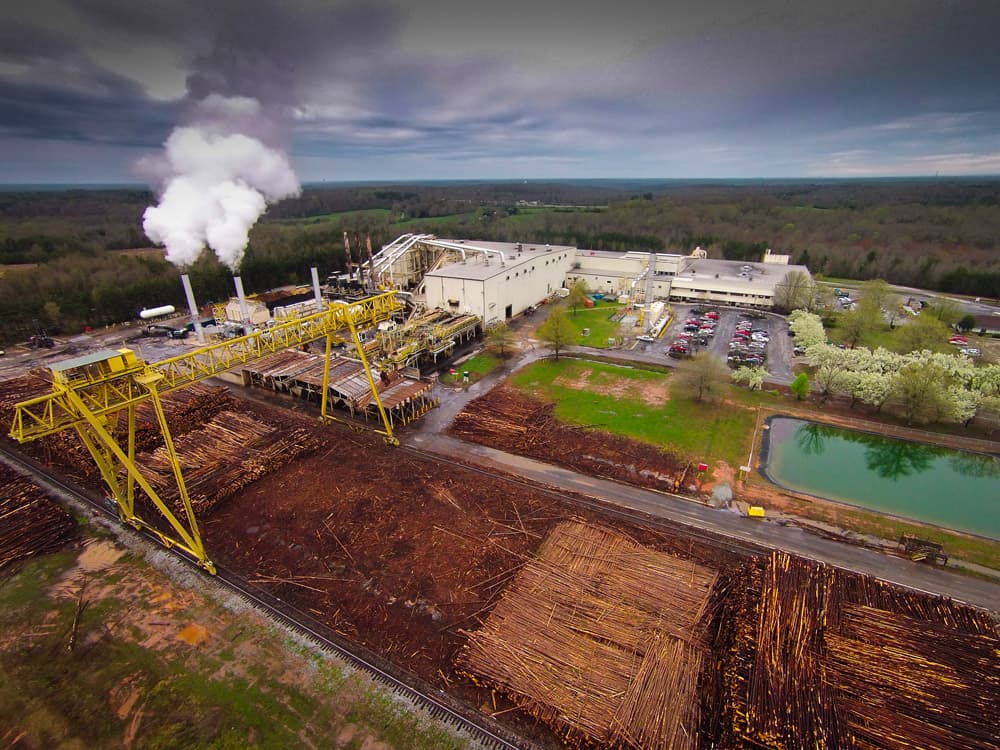
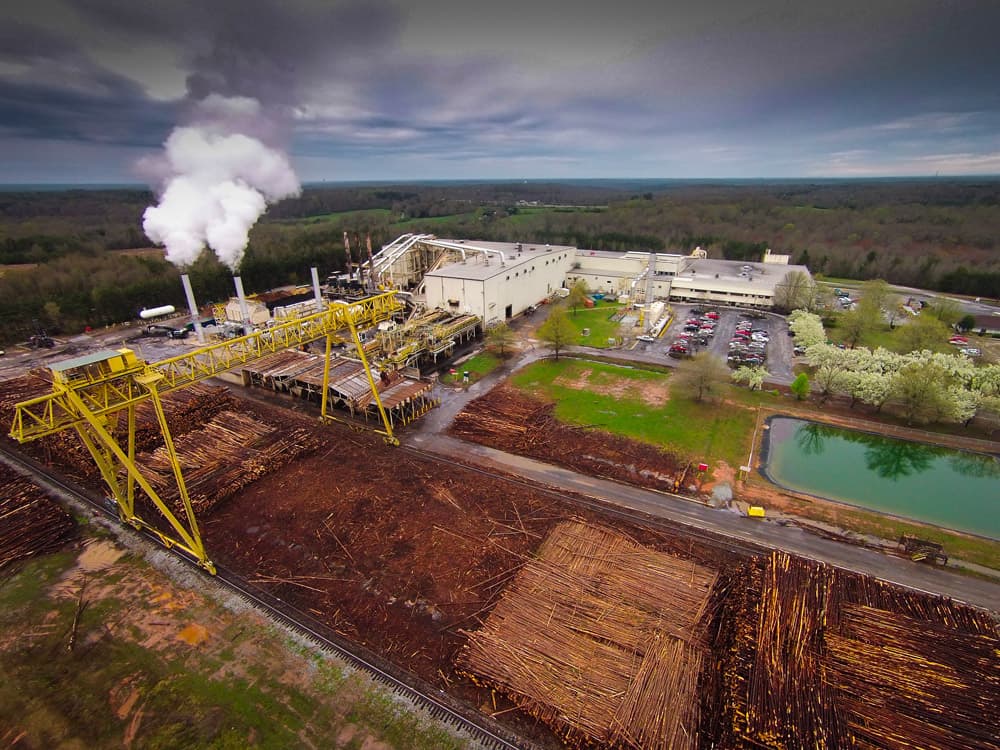
Canfor Corporation announced the permanent closure of its Fox Creek, Alberta sawmill by late September 2026. The shutdown removes 120 MMBF of annual Western SPF capacity while Canadian trade duties remain above 14.5%. Lumber buyers should maintain a lean 10-to-14-day inventory buffer and limit open-market purchases until single-family starts rebound.
AI procurement agent
Apply this market insight to your procurement strategy with LumberFlow.
Impact on Your Procurement Strategy
Canfor Corporation will permanently close its Fox Creek sawmill in Alberta by late September 2026, removing 120 MMBF of annual Western SPF production capacity from North American distribution channels. This structural capacity cut takes place as Canadian softwood exporters continue paying combined anti-dumping and countervailing duty deposit rates above 14.5% under the U.S. Department of Commerce Lumber V administrative reviews. At the same time, Domtar's indefinite idling of its Howe Sound pulp mill in British Columbia and Western Forest Products' extended downtime at Cowichan Bay continue to strain regional fiber supply chains across Western Canada. Despite persistent mill rationalization and high log costs, framing lumber prices face downward pressure because field absorption in primary U.S. metro markets remains sluggish.
Macroeconomic indicators show a split demand environment across North American construction sectors. Statistics Canada reported that real gross domestic product grew 0.3% in June 2026, supported by a 0.4% rise in residential building construction driven mainly by home alterations and improvements. In the United States, buyer affordability improved marginally as the Mortgage Bankers Association Purchase Applications Payment Index fell 1.3% in July to 155.8, lowering the national median applied purchase payment by $16 to $2,175. However, residential construction velocity remains constrained. U.S. Census Bureau data shows total July housing starts fell 12.4% to an annualized rate of 1,239,000 units, with single-family groundbreakings sliding 9.9% to 808,000 units. Distributor sales teams tracking housing starts and lumber demand must account for the NAHB Housing Market Index holding at 35, showing that homebuilders face persistent traffic headwinds and elevated standing spec inventory.
On the supply side, sawmill order files remain short at roughly one to two weeks, preventing producers from establishing upward pricing momentum despite recent capacity exits. In the futures market, the CME November lumber contract settled at $562.00/MBF, gaining $6.00 as traders balanced impending Western Canadian supply losses against slow yard turnover. Total U.S. building permits rose 5.0% in July to 1,443,000 units, indicating future demand in the pipeline, but yard replenishment remains strictly hand-to-mouth. Wholesale distributors report adequate on-ground inventories of Southern Pine and Western SPF studs, blunting the immediate price impact of curtailments across the Pacific Northwest and Alberta.
Logistics networks and railcar availability across Western Canada present an added operational layer for buyers managing late-summer delivery schedules. CN and CPKC rail turnaround times for carloads originating out of northern Alberta currently average 16 to 21 days into Midwest reload yards, compared to the standard 12 to 14 days recorded earlier in the spring. Even with these transit extensions, secondary distributors have kept inventory turns high to avoid carrying floor-plan financing costs on unsold stock. Yard buyers who rely on prompt truck shipments from regional reloads are finding prompt 2x4 and 2x6 tallies readily available, leaving sawmills with little leverage to extend order files past the middle of September 2026.
Distributor sales representatives should concentrate volume outreach on regional remodeling contractors and multi-family framing projects where permit backlogs and renovation spending hold up. Single-family framing packages continue to turn slowly, but commercial and repair sectors generated a 2.1% increase in specialty dimension orders throughout July and August. Procurement managers should maintain a disciplined 10-to-14-day operating inventory and defer speculative forward commitments through mid-September 2026 until cash framing lumber prices establish a clear floor. Buyers evaluating broader macro trends can review structural factors affecting lumber prices to benchmark mill lead times against local delivery schedules and regional price spreads.
Through Q3 and Q4 2026, the clash between Canadian sawmill curtailments and elevated mortgage rates will keep cash lumber markets rangebound with localized volatility. Cash framing lumber benchmarks have moved lower by $12 to $18/MBF over the past three weeks, and predictive models project stable to soft pricing over the next seven to ten days. Purchasing teams should leverage supplier competition on prompt truckload tallies, requiring guaranteed shipment dates before committing to fourth-quarter mill order files.
Key Takeaways
Canfor permanently closing Fox Creek mill by late September 2026, eliminating 120 MMBF of annual WSPF capacity
U.S. single-family starts fell 9.9% in July to 808,000 units, keeping cash lumber replenishment strictly hand-to-mouth
Maintain a lean 10-to-14-day stocking buffer and avoid multi-car forward buys until cash markets stabilize
Market Outlook
Pricing Trend: DOWN
Confidence Level: MEDIUM
Recommended Action: Hold framing lumber inventories to a 10-to-14-day buffer through mid-September 2026 to avoid inventory write-downs while buying strictly on prompt shipment.
How will Canfor's Fox Creek mill closure impact Western SPF availability in 2026?
The late September 2026 closure of Canfor's Fox Creek sawmill removes 120 MMBF of annual Western SPF capacity from the market. While this tightens long-term Canadian supply alongside duties exceeding 14.5%, short-term order files remain at 1 to 2 weeks due to subdued U.S. single-family building starts.
Did homebuilder affordability improve in late summer 2026?
Yes, the MBA Purchase Applications Payment Index declined 1.3% in July 2026 to 155.8, reducing the national median applied mortgage payment by $16 to $2,175. However, builder confidence remained subdued with the August NAHB index at 35.
How LumberFlow Helps
Find the next project. Make the right buy. LumberFlow is lumber software for sales and procurement.
Sales — LumberFlow Radar (Private Beta). Know which local construction projects to call on next. Radar ranks supported municipal permit activity into a daily project queue your outside reps review, claim, and disposition, with visible reason codes behind every ranking. The same public building activity behind this data is visible to every dealer in your territory right now — Radar turns it into a daily queue your reps can act on before someone else does.
Any territory: build your own prioritized call list with the free lead-prioritization field guide. Selling in Tacoma WA? Radar covers that ground today. Activation is by invitation — request an activation invite and tell us where your team sells.
Buying — LumberFlow Procurement. Track shifting cash-market dynamics with the weekly price forecast and follow regional supply developments via free daily market insights. Sourcing teams can leverage LumberFlow to automate mill RFQ comparisons and capture price dips across North American distributors. Book a 20-minute demo of the separate buy-side product.
Radar Private Beta
Know which local construction projects to prioritize
Radar monitors local building-permit activity and ranks projects by profitability potential and deal size, so your outside sales team spends time closing instead of hunting for the next account. Start with the field guide on finding and prioritizing local leads.
Related Insights
Continue exploring lumber market analysis
Use this signal where buying decisions happen
LumberFlow puts market context beside active RFQs, quote economics, and follow-ups your buyer can approve.
Need help applying this insight?
Talk with a LumberFlow analyst about procurement playbooks tailored to your SPF program.