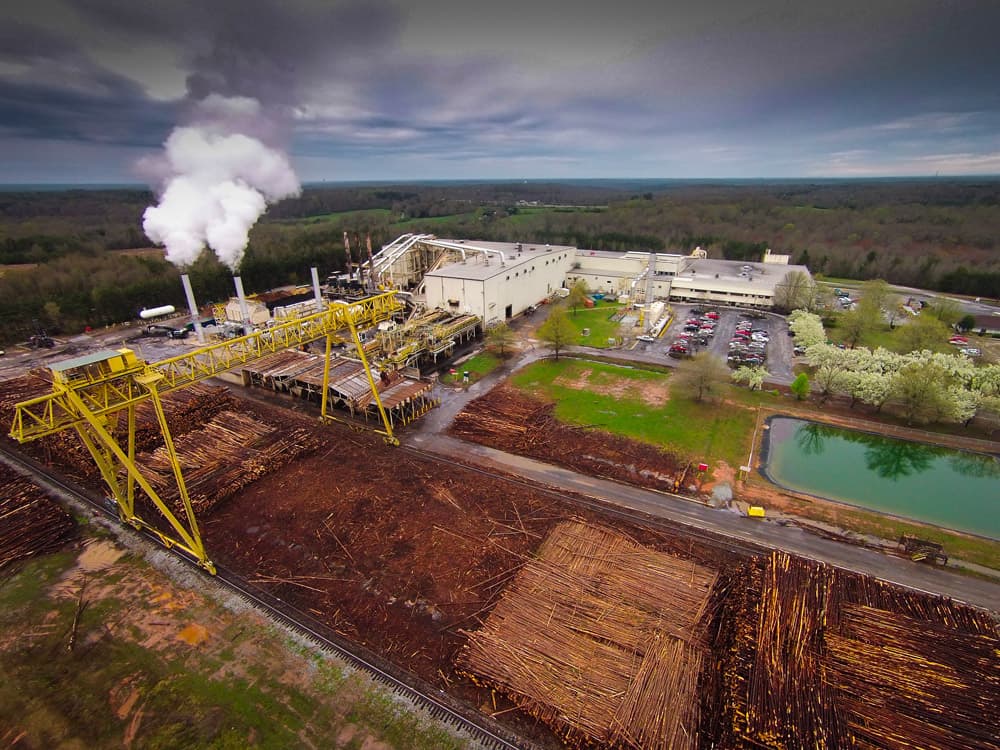
Canfor Fox Creek Closure Cuts 120 MMBF of 2026 Lumber Supply
Canfor's closure of its Fox Creek mill cuts 120 MMBF of SPF capacity in late summer 2026. Discover how this and macro shifts affect lumber buyers.
Canfor Corporation is permanently closing its Fox Creek, Alberta sawmill, cutting 120 million board feet of Western SPF capacity. This supply reduction will tighten Canadian import volumes in late summer 2026. Buyers should secure Q3 framing lumber needs now before regional mill order files extend further.
Radar · free beta
The construction projects in your territory are already compiled. See the ones worth a call.
Impact on Your Procurement Strategy
Canfor Corporation announced on July 28, 2026, that it will permanently close its Fox Creek sawmill in Alberta, removing 120 million board feet of annual production capacity by late summer 2026. This closure directly impacts regional Western SPF supply, as the elimination of this single-shift facility reduces the available volume of high-quality framing lumber. The loss of fiber due to Alberta wildfires and the end of the province's mountain pine beetle management strategy forced this decision, meaning buyers must prepare for immediate supply-chain friction. As Canadian import volumes face further constraints, distributors in the US Midwest and regional hubs will feel the squeeze on prompt shipments. This supply reduction shows how environmental factors and trade policy pressure can abruptly alter supply availability. Buyers who rely on Alberta fiber must immediately re-evaluate their supply lines to avoid stockouts as the mill winds down operations over the coming weeks.
This closure represents a broader structural retreat from Western Canada, a trend seen in Interfor Corp. planning to shift its corporate support operations from Burnaby, British Columbia, to Peachtree City, Georgia. With approximately 75% of Interfor's operations now located in the Central, Eastern, and Atlantic time zones, the migration of corporate support functions closer to Southern and Eastern mills shows where the industry's center of gravity is moving. Meanwhile, the permanent loss of 120 million board feet at Fox Creek will tighten Western SPF tallies, particularly for buyers who rely on Alberta fiber. Buyers should anticipate Western Canadian mill order files to stretch out by 1 to 2 weeks as remaining regional producers absorb the displaced demand. This shift will likely increase reliance on Southern Yellow Pine (SYP) and Eastern SPF as alternative species. When regional capacity shrinks, order files at surviving mills inevitably extend, which pushes out delivery dates and forces buyers to look for alternative species to fill immediate needs.
On the demand side, the housing market continues to show mixed signals that complicate procurement timing. The S&P Case-Shiller Home Price Index posted a modest 1.1% annual gain in May 2026, up slightly from 0.9% in April, indicating that home prices are holding firm despite high interest rates. Regionally, Chicago recorded a 6.9% annual increase and New York saw a 4.2% gain, while Las Vegas registered a 1.9% decline, demonstrating highly fragmented regional demand. However, The Conference Board's US Consumer Confidence Index fell in July 2026, continuing a downward trajectory that could temper builder sentiment and slow future housing starts. This divergence means that while immediate demand for framing lumber remains stable, distributor inventory levels are thin, and any sudden supply shocks could trigger rapid price increases. When retail yards and distributors keep inventories low, they have very little protection against sudden production cuts. To understand how these macro indicators translate into long-term purchasing strategies, buyers should monitor housing starts and lumber demand trends to gauge the strength of the fall building season.
Given these conflicting signals, procurement managers must balance short-term supply disruptions against broader economic headwinds. Recent market data shows framing lumber prices rose 2.9% over three weeks, indicating that price momentum has been pointing upward, though our predictive models expect prices to remain stable over the next seven days. This recent upward momentum suggests that the market is highly sensitive to capacity losses like the Fox Creek closure, even if the broader macroeconomic outlook remains cautious. Buyers should avoid speculative over-buying but must secure replacement inventory for their immediate needs rather than waiting for deeper price cuts. We recommend locking in 60% to 70% of your Q3 2026 requirements now to protect against localized shortages and extended mill lead times. To optimize this process, distributors can use lumber procurement software to streamline supplier outreach and compare regional quotes efficiently. Using digital tools helps purchasing teams send inquiries to multiple mills simultaneously, ensuring they secure coverage before order files stretch further.
Looking ahead to late Q3 and early Q4 2026, the combination of permanent Canadian mill closures and shifting corporate footprints suggests that Western SPF supply will remain structurally constrained. While the macroeconomic outlook remains soft, the immediate reduction of 120 million board feet of capacity will prevent any significant price corrections. We expect prices to fluctuate within a narrow, elevated range as distributors manage just-in-time inventories. Securing reliable supply lines from alternative regions, such as the US South or Eastern Canada, will be critical to mitigating the impact of Western Canadian curtailments. Distributors should track current lumber prices and weekly forecast updates to time their replenishment cycles accurately. By diversifying supply sources across different geographic regions, procurement teams can protect their operations from localized disruptions and maintain consistent inventory levels even when major mills close permanently.
Key Takeaways
Canfor is closing its Fox Creek, AB mill, permanently removing 120 MMBF of Western SPF capacity from the market by late summer 2026.
Interfor is shifting support operations from BC to Georgia, which signals a long-term industry focus shift toward the US South.
Despite a 1.1% annual gain in May home prices, falling consumer confidence in July suggests cautious demand and supports stable pricing.
Market Outlook
Pricing Trend: STABLE
Confidence Level: MEDIUM
Recommended Action: Buy 60% to 70% of Q3 Western SPF needs by August 15 to secure inventory before Canfor's Fox Creek closure extends regional mill order files.
How will the Canfor Fox Creek mill closure affect SPF supply in Q3 2026?
The permanent closure of the Fox Creek mill will remove 120 million board feet of Western SPF capacity by late summer 2026. This will tighten regional supply, particularly for distributors in the US Midwest, and could extend mill lead times by 1 to 2 weeks as remaining producers absorb the displaced volume.
What do the latest housing and consumer confidence numbers mean for lumber prices?
While the S&P Case-Shiller index rose 1.1% annually in May 2026, consumer confidence fell in July. This divergence indicates that while current home prices are stable, future demand may soften, keeping lumber price increases capped despite the 120 MMBF supply reduction.
How LumberFlow Helps
Protect your margins by using the weekly price forecast to track price movements, while staying updated with free daily market insights. Sourcing managers can execute these strategies directly inside LumberFlow to automate quotes and manage supplier risk.
See LumberFlow read your own supplier quotes — book a 20-minute demo.
Radar · free beta
See which local construction projects are worth a call
Radar ranks the local construction takeoffs by profitability potential and deal size, gives each job pack an owner, and keeps follow-up visible. The projects in your territory are already compiled.
Related Insights
Continue exploring lumber market analysis