Canfor 120 MMBF Mill Cut Tightens 2026 WSPF Supply
Canfor's 120 MMBF mill cut tightens WSPF supply in 2026 as July home sales fall 1.7%. Learn key framing lumber procurement strategies.
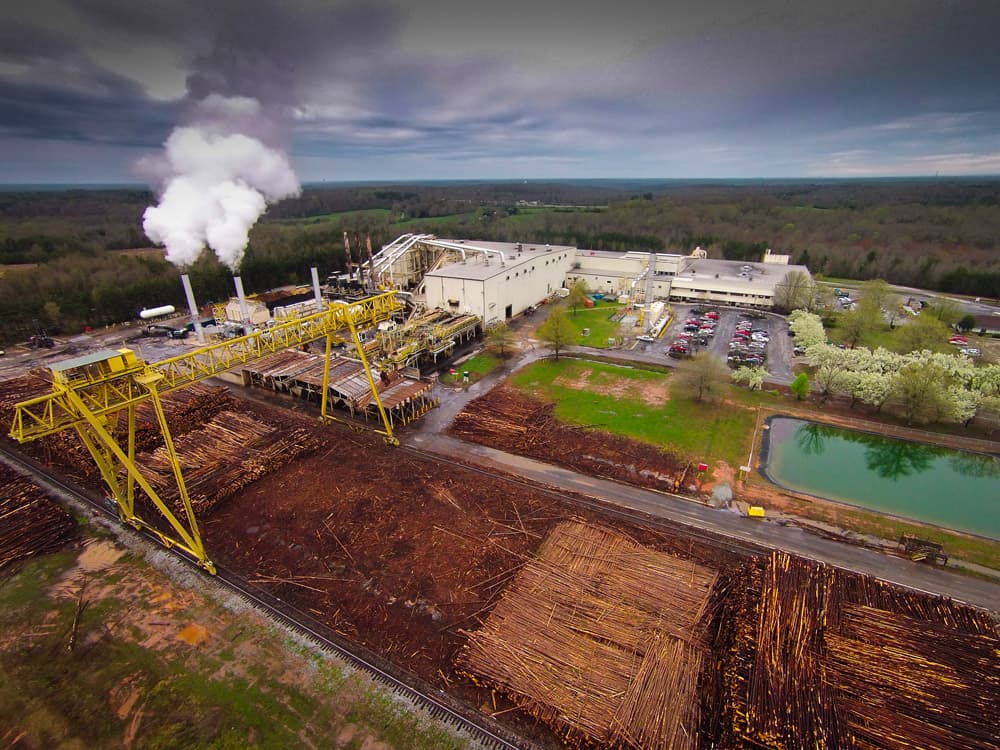
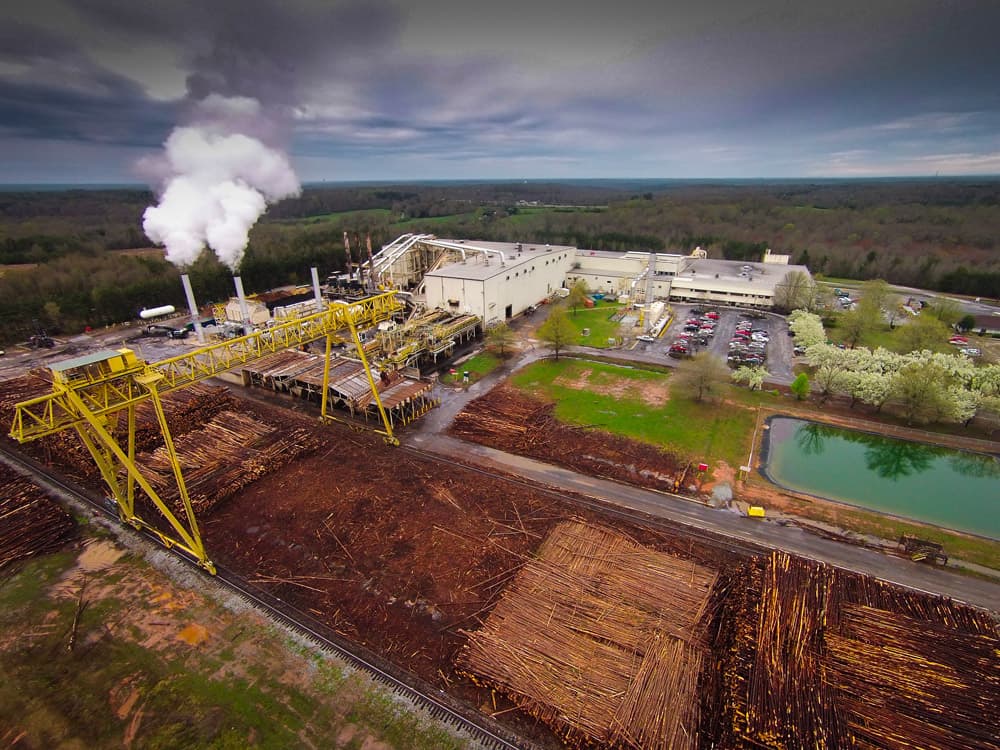
Canfor Corporation announced the permanent closure of its Fox Creek, Alberta sawmill in late summer 2026. The shutdown removes 120 MMBF of annual Western SPF capacity as US existing-home sales dropped 1.7% in July to a 4.06 million SAAR. Procurement teams should maintain a 14-to-21 day framing lumber inventory while monitoring mill order files through late August.
AI procurement agent
Apply this market insight to your procurement strategy with LumberFlow.
Impact on Your Procurement Strategy
Canfor Corporation announced the permanent closure of its Fox Creek, Alberta sawmill scheduled for late summer 2026. This shutdown removes 120 million board feet (MMBF) of annual Western SPF capacity from the primary market. On a monthly basis, the loss of Fox Creek eliminates roughly 10 MMBF of dimension output. Canfor confirmed that operations at its nearby Whitecourt and Grande Prairie facilities will continue, supported by sufficient regional timber allocations. However, this structural curtailment reflects persistent timber access restrictions across Western Canada, combined with high export duties and elevated log costs. The loss of Fox Creek directly reduces Western SPF supply availability for US distributors preparing for the autumn building cycle. Canadian producers continue to consolidate timber volume into high-efficiency plants like Whitecourt to preserve operating margins against escalating stumpage fees and trade duties.
On the demand side, economic indicators present a mixed outlook for lumber buyers across major distribution regions. Data from the National Association of Realtors shows US existing-home sales dropped 1.7% in July 2026 to a seasonally adjusted annual rate of 4.06 million units. Total housing inventory rose to 1.54 million units, representing a 4.6-month supply at current sales rates. Sluggish home resale activity directly limits big-ticket repair and remodeling projects, taking pressure off retail lumberyards. Conversely, commercial construction activity displays stronger fundamentals. The NFIB Small Business Optimism Index rose 2.4 points in July to 99.8, reaching its highest level since August 2025. This increase was driven by a 9-point jump in net hiring plans to 20%. Commercial buyers evaluating housing starts and lumber demand must navigate these conflicting signals, as weak residential turnover balances against steady light-commercial contractor demand.
From a supply chain perspective, continuous Canadian mill closures create an artificial price floor against soft home resale figures. High log input costs and international trade frictions have compressed operating margins across British Columbia and Alberta. By curtailing lower-margin mills like Fox Creek, producers prevent excess yard inventory from accumulating across North American distribution channels. Key factors affecting lumber prices center on Canadian mill order files, which currently show lead times of 2 to 3 weeks across major Western SPF dimension lines. Regional distributors in the US Midwest and Pacific Northwest report that mill order files remain stable despite reduced overall buyer order volumes. Primary sawmills are refusing to discount cash quotes, preferring to match output directly to committed contract shipments rather than building speculative unsold inventory at the mill level.
For commercial procurement teams, current pricing dynamics require tight inventory discipline rather than speculative position buying. Recent market tracking indicates framing lumber price momentum decelerated 0.9% over the past 3 weeks. Current transaction prices are holding in a sideways band, sitting 3.0% above their 12-week moving average. Short-term market models project a slight 1.8% price dip over the next 7 days, indicating that sharp price surges remain unlikely in the immediate term. Buying teams should keep yard inventory focused on a 14-to-21 day replenishment window. This replenishment range protects gross margins against short-term price slippage while ensuring adequate stock to cover active jobsite delivery schedules for key 2x4 and 2x6 dimension tallies across primary jobsite delivery routes.
Looking ahead through Q3 and Q4 2026, Western SPF supply will remain tight enough to prevent severe price drops despite ongoing housing market headwinds. As Canfor completes the Fox Creek wind-down, regional dimension supply will tighten further across Midwest and Pacific Northwest sales channels. Lumber buyers should maintain target coverage through disciplined replacement purchasing on core framing products. Procurement managers can capture prompt-load discounts by comparing multi-supplier quotes daily while avoiding long-term fixed commitments until autumn order files show clear directional movement. Keeping yard inventory lean allows buyers to react quickly to prompt availability without tying up working capital in an unpredictable market.
Key Takeaways
Canfor's Fox Creek closure removes 120 MMBF of annual WSPF capacity, tightening Western Canadian supply into late 2026.
NAR July existing-home sales dropped 1.7% to 4.06M SAAR, signaling flat resale turnover and cautious repair/remodel demand.
Maintain a tight 14-to-21 day framing lumber inventory buffer as short-term price forecasts project a modest 1.8% dip.
Market Outlook
Pricing Trend: DOWN
Confidence Level: MEDIUM
Recommended Action: Hold framing lumber inventory to a 14-to-21 day replenishment window through late August to protect margins as mill capacity cuts offset slower July home sales.
How will Canfor's Fox Creek closure impact Western SPF supply in 2026?
The Fox Creek closure permanently removes 120 MMBF of annual Western SPF capacity by late summer 2026. Although Canfor's Whitecourt plant remains operational, the net loss of roughly 10 MMBF per month tightens Western Canadian framing lumber availability for Midwest and US West buyers.
What is the demand outlook for framing lumber following July 2026 housing data?
Demand remains steady but mixed. Existing-home sales fell 1.7% in July to 4.06 million SAAR with unsold inventory at a 4.6-month supply, while small business optimism reached a 12-month high of 99.8, indicating resilient light-commercial construction activity.
How LumberFlow Helps
Find the next project. Make the right buy. LumberFlow is lumber software for sales and procurement.
Sales — LumberFlow Radar (Private Beta). Know which local construction projects to call on next. Radar ranks supported municipal permit activity into a daily project queue your outside reps review, claim, and disposition, with visible reason codes behind every ranking. Activation is by invitation. Request an activation invite and tell us where your team sells.
Buying — LumberFlow Procurement. Buyers can leverage the weekly price forecast to evaluate regional dimension trends alongside our free daily market insights. Inside LumberFlow, agentic sentiment analysis automatically flags mill capacity shifts and price momentum directly within buyer sourcing workflows. Book a 20-minute demo of the separate buy-side product.
Market intelligence
Use market context where buying decisions happen
Track mill news, capacity signals, tariffs, and weekly forecast direction inside the same workflow where your team reviews quotes.
Related Insights
Continue exploring lumber market analysis
Use this signal where buying decisions happen
LumberFlow puts market context beside active RFQs, quote economics, and follow-ups your buyer can approve.
Need help applying this insight?
Talk with a LumberFlow analyst about procurement playbooks tailored to your SPF program.