Brink Cuts BC Mill Output 80% as 2026 Tariffs Bite
Brink cuts Prince George mill to 20% capacity as 2026 Canadian tariffs bite. Cash lumber drops 6.0%—here is the Q3/Q4 procurement playbook for SPF buyers.
Brink Forest Products slashed staffing to 30 workers at its Prince George finger-joint plant, dropping operational capacity to 20% under mounting trade headwinds. The secondary manufacturer faces over $1 million monthly in trade costs compounded by Canada's new 25% retaliatory tariffs effective September 8, 2026. Structural buyers should limit purchases to prompt 10-to-14-day cycles while framing prices drop 6.0% acr…
Track this in real time
Netback math and current duty rates, updated as the rate changes.
Impact on Your Procurement Strategy
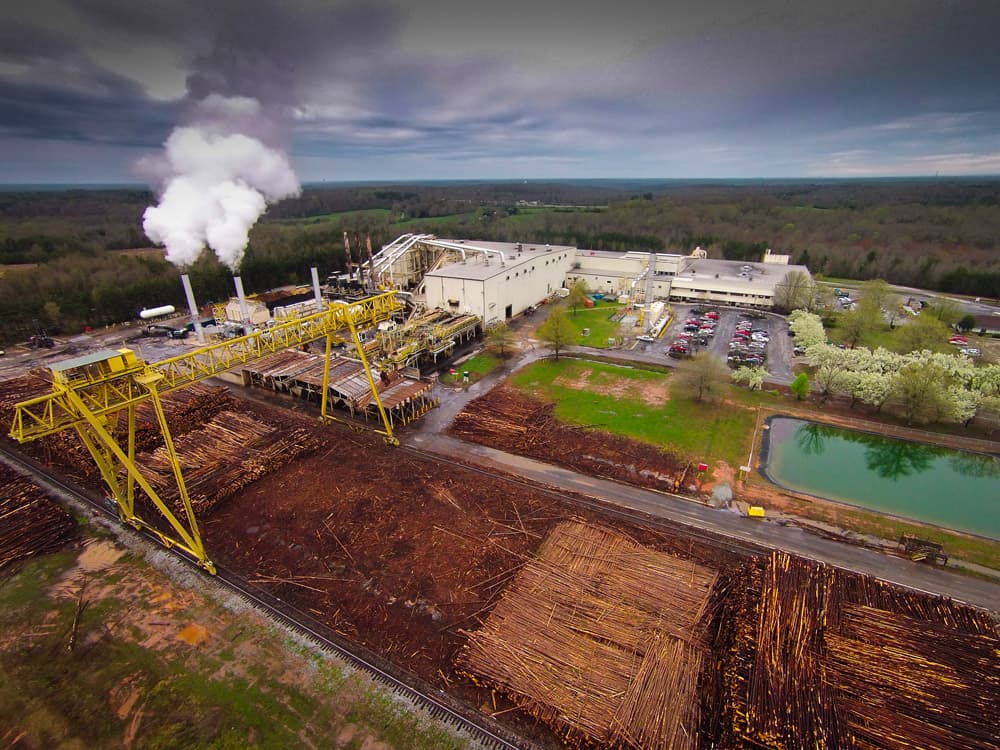
Brink Forest Products reduced its workforce from 85 to approximately 30 employees this week at its Prince George, British Columbia facility, forcing the finger-joint lumber plant down to 20% operational capacity. The move follows indefinite shutdowns at Brink operations in Vanderhoof and Houston, eliminating over 100 regional jobs over the past 12 months. The company reports paying upwards of CA$100 million in duties since 2017 and currently absorbs roughly $1 million per month in tariff-related overhead. On September 8, 2026, cross-border pressure intensified as Canada enacted counter-tariffs targeting C$27.6 billion in U.S. goods, including a 25% surtax on imported U.S. sawn timber and a 50% surtax on plywood and laminated panels. This policy escalates raw material input costs for Canadian remanufacturers reliant on imported resins and components under current US tariffs on Canadian softwood lumber.
Upstream builder sentiment and end-use demand show macro caution that limits the immediate pass-through of mill supply cuts to framing composites. The National Federation of Independent Business reported on September 8, 2026, that its Small Business Optimism Index fell 1.1 points to 98.7 in August, with the Uncertainty Index holding elevated at 89 points. Concurrently, the National Association of Home Builders opened a nationwide cost survey across seven core construction stages, focusing on framing lumber and rough-in expense inflation as single-family homebuilders manage elevated interest rates near 6.5%. This cautious downstream pace continues to soften housing starts and lumber demand, keeping distributor order files thin and pushing yard buyers toward hand-to-mouth procurement rather than forward speculative coverage.
The capacity contraction across northern British Columbia stems from a severe structural fiber deficit rather than a brief operational pause. Secondary remanufacturers rely directly on primary sawmill residuals and local timber harvests, which have eroded following Canfor's planned permanent closure of its Northwood Pulp Mill in late 2026, removing 450,000 tonnes of market pulp capacity. When primary sawmills curtail shifts or close permanently, finger-joint and stud operations lose immediate access to feedstocks. With combined anti-dumping and countervailing duty burdens between 24.8% and 35.0%, Western SPF output continues to shrink across the Interior. This supply destruction establishes a firm long-term floor under Canadian production capacity, even while near-term North American cash demand remains sluggish through September 2026.
Commercial sales teams at pro dealers should focus builder direct sales on resilient Sunbelt remodeling and single-family tracts while de-emphasizing speculative dealer inventory in the Upper Midwest, where rail delivery lead times remain stable at 10 to 14 days. On the purchasing desk, procurement managers must resist building long inventory positions despite supply-side mill closures in BC. Framing lumber cash momentum has dropped 6.0% over the past three weeks, and short-term forecasting models indicate price stabilization with a minor 1.2% downward bias into late September. Buyers should negotiate aggressive counteroffers on prompt mill railcars, targeting $10 to $15 discounts below print, and keep yard inventory strictly aligned with committed two-week order files.
Looking into Q4 2026, the divergence between shrinking British Columbia sawmill capacity and hesitant builder demand will create sharp regional supply friction. While broader framing lumber composites experience soft pricing due to ample Southern Yellow Pine output and cautious residential construction starts, specialty finger-joint and Western SPF stud tallies will face tightening availability by late October. Distributors should establish alternate supply agreements with inland Pacific Northwest and U.S. South producers before October 15, 2026, to insulate their yards against localized stud shortfalls. Managing working capital carefully over the next 30 to 45 days will prevent margin compression if mill curtailments spread further across Western Canada.
Key Takeaways
Brink cut its Prince George finger-joint mill to 20% capacity, laying off 50 staff under $1M/month tariff costs.
Canada enacted 25% retaliatory tariffs on US sawn wood on September 8, 2026, compounding cross-border friction.
Framing lumber composite prices dropped 6.0% over three weeks; buy only prompt loads on 10-to-14-day cycles.
Market Outlook
Pricing Trend: DOWN
Confidence Level: MEDIUM
Recommended Action: Limit Western SPF buys this week to prompt 10-to-14-day replacement cycles and leverage the 6.0% three-week price drop to counteroffer open mill railcars before Q4.
How will the Brink Forest Products curtailment affect finger-joint stud availability in Q4 2026?
Operating at only 20% capacity with 30 staff, Brink's Prince George cut removes substantial Western SPF finger-joint output. While broad dimensional lumber supply remains adequate, buyers should expect 2-to-3 week lead time extensions on specified Canadian finger-joint studs entering Q4 2026.
What impact do the September 8, 2026 Canadian retaliatory tariffs have on lumber buyers?
Canada's 25% surtax on U.S. sawn lumber and 50% surtax on plywood and laminated panels increase input costs for Canadian secondary manufacturers importing U.S. fiber and resin. U.S. distributors sourcing finished Canadian specialty lumber will see higher cost floors as producers attempt to pass on these trade expenses.
Should distributors buy forward framing lumber loads following recent BC mill curtailments?
No. Despite BC capacity reductions, overall framing lumber composite prices fell 6.0% over the last three weeks with forward 7-day indicators projecting a 1.2% downward drift. Buyers should stick to strict 10-to-14-day replacement purchasing.
How LumberFlow Helps
Find the next project. Make the right buy. LumberFlow is lumber software for sales and procurement.
Sales — LumberFlow Radar (Private Beta). Know which local construction projects to call on next. Radar ranks supported municipal permit activity into a daily project queue your outside reps review, claim, and disposition, with visible reason codes behind every ranking. The same public building activity behind this data is visible to every dealer in your territory right now — Radar turns it into a daily queue your reps can act on before someone else does.
Any territory: build your own prioritized call list with the free lead-prioritization field guide. Selling in Tacoma WA? Radar covers that ground today. Activation is by invitation — request an activation invite and tell us where your team sells.
Buying — LumberFlow Procurement. Track shifts in framing indices using our weekly price forecast to identify when regional mill curtailments begin overriding macro demand softness. Stay ahead of cross-border trade friction with free daily market insights, and leverage automated sentiment analysis inside LumberFlow to time builder quotes and lock in supplier discounts. Book a 20-minute demo of the separate buy-side product.
Duty tracker
Verify the current duty before using this trade signal
Check current Canadian softwood lumber duty rates and landed-cost math, then bring the verified figure into your buying decision.
Related Insights
Continue exploring lumber market analysis
Use this signal where buying decisions happen
LumberFlow puts market context beside active RFQs, quote economics, and follow-ups your buyer can approve.
Need help applying this insight?
Talk with a LumberFlow analyst about procurement playbooks tailored to your SPF program.