Montrose 85 MMBF Stud Mill Faces Nov 2026 Closure Risk
Neiman puts 85 MMBF Colorado stud mill at risk for Nov 2026 closure as construction input costs jump 7.8%. What lumber buyers should do before Q4.
Neiman Enterprises issued WARN notices warning that its Montrose Forest Products sawmill in Colorado could permanently close if a buyer is not secured. The facility accounts for over 85 MMBF of annual stud production, and a shutdown on November 6, 2026 would eliminate one of the region's three remaining commercial sawmills. Regional lumber buyers should audit stud replenishment commitments now and maintain a strict 1…
LumberFlow Procurement
Put this market signal into the buy-side workflow it informs.
Impact on Your Procurement Strategy
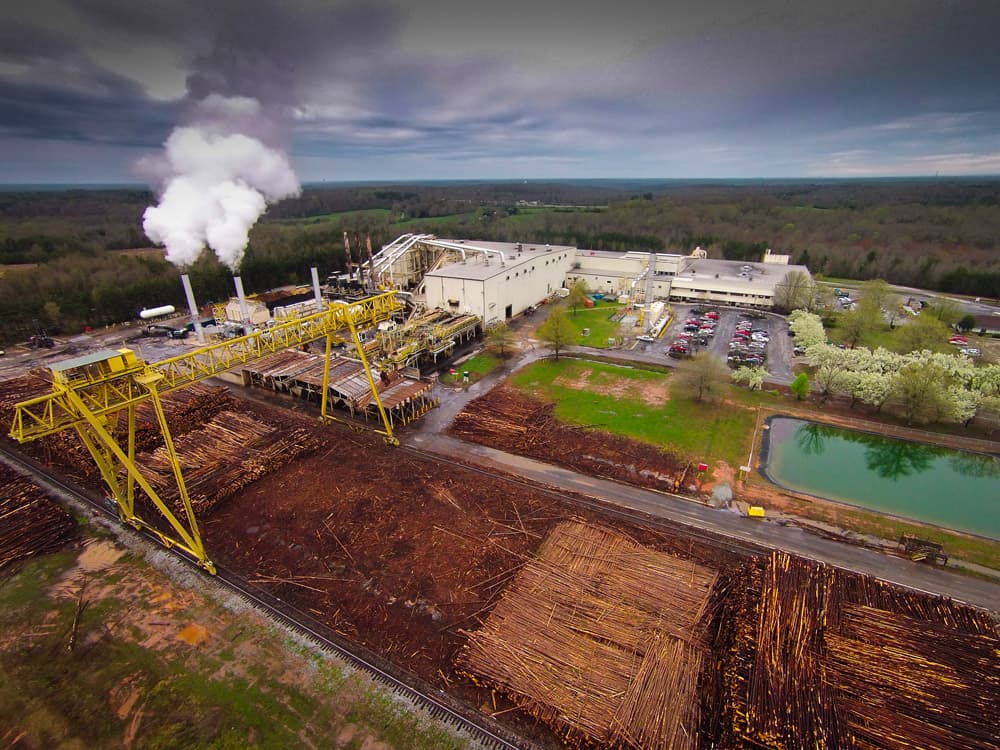
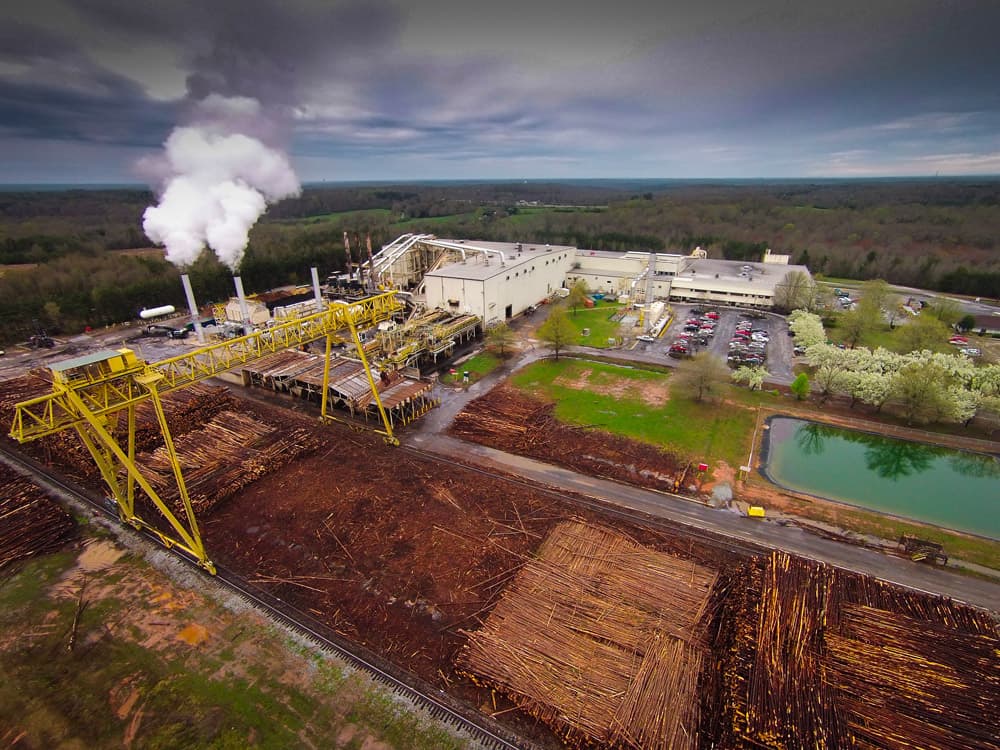
Neiman Enterprises warned on September 14, 2026, that it may permanently shutter its Montrose Forest Products sawmill in western Colorado on November 6, 2026, issuing WARN notices to approximately 90 workers as it seeks an emergency buyer. Montrose Forest Products manufactures over 85 MMBF annually of Engelmann spruce, lodgepole pine, Douglas fir, and white fir studs, supplying retail yards and distribution centers across the Southern Rockies and Intermountain West. The impending deadline threatens to strip roughly 3% of regional stud capacity from the local distribution grid at a time when Colorado has dwindled from 87 commercial mills in 1987 to just three today. If the mill closes rather than transfers to new ownership, regional distributors will face immediate supply dislocation, stretching freight lanes and pushing stud replacement sourcing toward Pacific Northwest and Canadian producers.
Simultaneously, broader construction demand indicators continue to deteriorate, capping any nationwide pricing upside. The Mortgage Bankers Association reported that its Mortgage Credit Availability Index dropped 1.0% in August 2026 to 107.3, driven by a sharp 2.5% decline in jumbo credit availability as lenders pulled back flexible documentation loans. Compounding this headwind, Bureau of Labor Statistics data analyzed by the National Association of Home Builders revealed that input costs to residential construction rose 1.1% in August and stand 7.8% higher year-over-year. Energy costs surged 6.6% in a single month, rising 46.2% over the past twelve months, which severely compresses homebuilder margins. While the August builder sentiment index edged up a single point to 35, it has languished below the breakeven threshold of 50 for 16 consecutive months, confirming that housing starts and lumber demand remain suppressed by affordability barriers and high borrowing costs.
On the supply side, regional mill economics are buckling under relentless cost pressures and cross-border trade friction. Neiman Enterprises cited a 30% escalation in post-pandemic operating expenses alongside persistent harvest constraints that have crippled operating margins. Cross-border trade channels offer little relief, as retaliatory tariffs enacted on September 8, 2026, imposed 25% duties on U.S. lumber shipments to Canada and 50% tariffs on plywood, following reciprocal tariff adjustments that took effect on August 19, 2026. Despite Montrose's localized crisis, major North American producers such as West Fraser and Canfor have announced no major curtailments over the past two weeks. The broader North American cash market saw the framing lumber composite decline 4.3% over the past three weeks, even as CME September physical futures edged up to $580.00/MBF and cash prices bumped 1% to $525/MBF according to Madison's Lumber Reporter.
For lumberyards and component plants throughout the Front Range and Western Slope, losing an 85 MMBF stud mill means immediate shifts in transport logistics. Montrose has historically provided local yards with rapid-turn truckload deliveries within 24 to 48 hours, keeping yard safety stock low. Replacing those 2x4 and 2x6 tallies with studs out of the Inland Empire, Montana, or northern Idaho pushes transit times to 5 to 8 days by truck and longer by rail car. Regional buyers must factor in an added $20 to $30/MBF in freight differentials to bring replacement wood south. Operations managers should immediately audit their open purchase orders through November 6, 2026, confirming whether pending Montrose rail cars and truckloads will deliver on schedule or require substitution from secondary distributors.
Commercial and sales teams should focus outreach heavily on multifamily framing contractors and commercial remodelers in Colorado and Utah, while pulling back sales allocations in debt-dependent single-family subdivisions that are slowing under tighter jumbo loan qualifications. When bidding commercial framing packages, account for wider delivery windows on 92-5/8 and 104-5/8 studs. On the procurement desk, buyers should maintain an austere 10-to-14-day framing inventory and resist speculative forward bookings, as soft macro demand will likely keep cash prices descending into Q4 2026. For Rocky Mountain yards relying on Montrose studs, procurement managers must immediately identify alternative railhead suppliers in Idaho and Montana, submitting bids at $10 to $15/MBF below print on open stud tallies while market momentum remains negative.
Cash framing lumber prices remain trapped in a medium-term downward trend, drifting 4.4% below their 12-week moving average under normalized market volatility. Quantitative modeling points to stable near-term pricing with a negligible -0.3% price change expected over the coming week as spot buyers absorb existing distribution yard inventories. Until single-family builders regain purchasing power through mortgage rate relief, localized supply disruptions like Montrose will create spot stud premiums in the Rockies without reversing the broader bearish trajectory governing framing lumber into Q4 2026.
Key Takeaways
Montrose Forest Products mill faces a Nov 6, 2026 shutdown, putting 85 MMBF of annual stud output at immediate risk.
Mortgage credit availability dropped 1.0% and residential construction input costs climbed 7.8% YoY, stifling new builder demand.
Restrict yard inventory to 10-14 days and establish backup stud suppliers in Idaho and Montana at $10-$15/MBF under print.
Market Outlook
Pricing Trend: DOWN
Confidence Level: MEDIUM
Recommended Action: Secure backup stud suppliers in Idaho and Montana at $10 to $15/MBF below print while capping yard inventory at a 10-to-14-day supply before the November 6 WARN deadline.
How will the potential closure of the Montrose mill affect stud lumber supply in late 2026?
If Neiman Enterprises cannot secure a buyer by November 6, 2026, the closure will remove over 85 MMBF of annual stud capacity from Colorado. Rocky Mountain yards will see local stud availability tighten significantly, forcing buyers to absorb an estimated $20 to $30/MBF freight premium to haul replacement studs from the Pacific Northwest or Inland Empire.
What are the primary factors affecting lumber prices entering Q4 2026?
Framing lumber prices face downward pressure from declining mortgage credit availability (down 1.0% in August 2026) and persistent housing sentiment weakness, with the NAHB index stuck at 35. These demand headwinds outweigh regional supply curtailments, keeping cash framing lumber momentum down 4.3% over the past three weeks.
How LumberFlow Helps
Find the next project. Make the right buy. LumberFlow is lumber software for sales and procurement.
Sales — LumberFlow Radar (Private Beta). Know which local construction projects to call on next. Radar ranks supported municipal permit activity into a daily project queue your outside reps review, claim, and disposition, with visible reason codes behind every ranking. The same public building activity behind this data is visible to every dealer in your territory right now — Radar turns it into a daily queue your reps can act on before someone else does.
Any territory: build your own prioritized call list with the free lead-prioritization field guide. Selling in Tacoma WA? Radar covers that ground today. Activation is by invitation — request an activation invite and tell us where your team sells.
Buying — LumberFlow Procurement. Use the weekly price forecast to gauge when regional stud premiums might peak, then cross-reference spot mill offers against our free daily market insights. Inside LumberFlow, the platform's agentic sentiment analysis flags shifting mill order files across the Mountain West so buyers can reroute sourcing orders before local disruptions impact project margins. Book a 20-minute demo of the separate buy-side product.
RFQ command center
Turn supplier emails into a buying board
LumberFlow reads supplier emails, extracts quote details, and keeps buyer approval on every RFQ, counter, award, and PO.
Related Insights
Continue exploring lumber market analysis
Use this signal where buying decisions happen
LumberFlow puts market context beside active RFQs, quote economics, and follow-ups your buyer can approve.
Need help applying this insight?
Talk with a LumberFlow analyst about procurement playbooks tailored to your SPF program.