Irving 120 MMBF Maine Mill Expansion Shifts 2026 Supply
Irving expands Maine sawmill by 120 MMBF to 250 MMBF as U.S. housing starts drop 2.6% in 2026. Here is the purchasing playbook for lumber buyers.
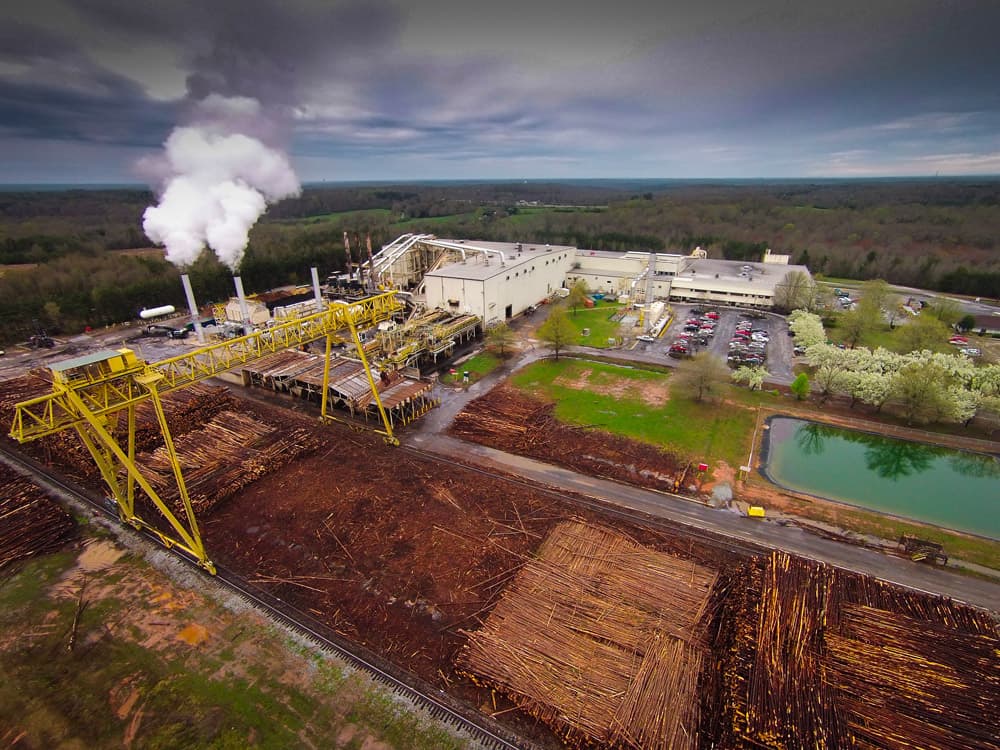
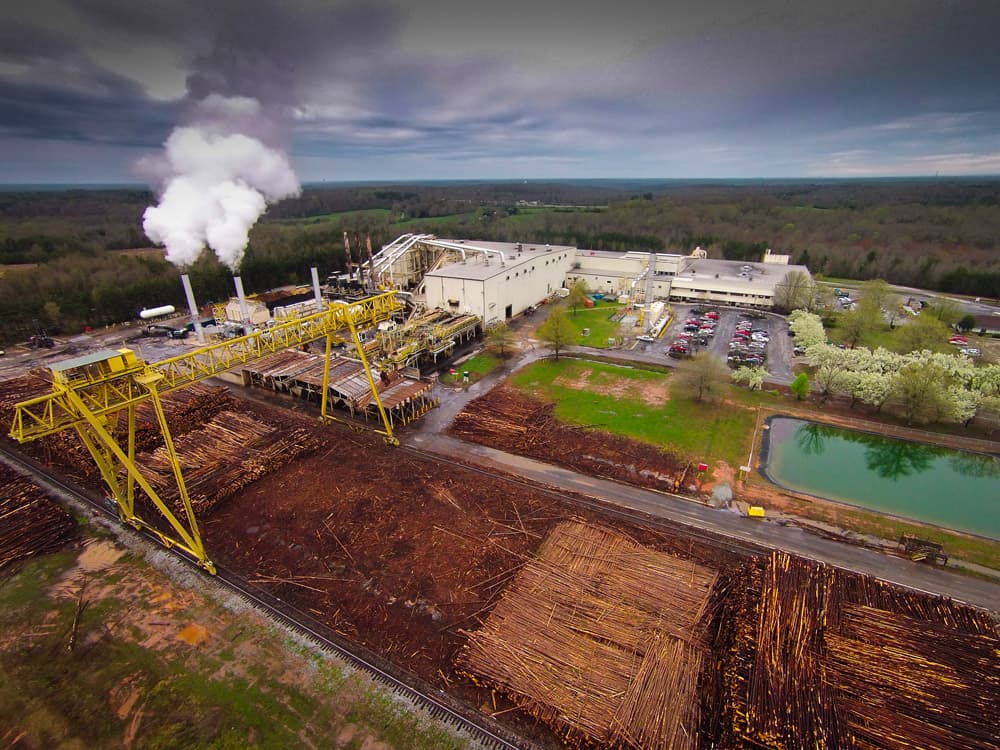
Irving Forest Products announced an expansion of its Ashland, Maine sawmill to double annual dimensional lumber output. Backed by $112.9 million in New Markets Tax Credits, the facility will expand capacity from 130 million to 250 million board feet, adding 120 MMBF of domestic supply to regional markets. Northeast distributors should maintain tight 10- to 14-day inventories and leverage expanding regional capacity t…
Radar · free beta
The construction projects in your territory are already compiled. See the ones worth a call.
Impact on Your Procurement Strategy
Irving Forest Products, a subsidiary of J.D. Irving, Limited, announced a major modernization project at its Ashland sawmill in Nashville Plantation, Maine, that will nearly double annual dimensional lumber capacity from 130 million to 250 million board feet. Supported by $112.9 million in federal and state New Markets Tax Credit program allocations, including $10 million through TD Community Development Corporation, this 120 MMBF capacity expansion creates permanent domestic production that directly serves Northeast building material distributors. For commercial lumber buyers, this long-term supply infusion expands local availability of framing lumber, weakening Canadian import leverage at a time when cross-border shipments face elevated duty exposure.
Softening residential construction data across North America continues to cool wholesale demand, explaining why cash prices have softened despite mill investments. The U.S. Census Bureau reported that total August 2026 housing starts fell 2.6% month-over-month to a seasonally adjusted annual rate of 1,275,000 units, while authorized building permits dropped 2.7% to 1,394,000 units. Across the border, the Canada Mortgage and Housing Corporation confirmed that August starts held virtually flat at 229,046 units, with its six-month trend slipping 1.3% to 244,149 units. Compounding this slowdown, the Freddie Mac 30-year fixed mortgage rate climbed 19 basis points to 6.95%, while the NAHB/Wells Fargo Housing Market Index dropped 3 points to 32. This persistent affordability squeeze continues shifting contractor purchasing from speculative ground-up subdivision framing toward smaller-scale repair and remodeling projects, directly softening broad demand for 2x4 and 2x6 tallies as detailed in our guide on housing starts and lumber demand.
Upstream supply constraints remain polarized by geography, with U.S. domestic capacity expanding while Canadian mills navigate intense operational pressure. Major producers have announced no recent restarts, and Canadian exporters remain constrained by effective import duties near 34.83%, consisting of a 24.83% combined anti-dumping and countervailing duty alongside an overlapping 10% Section 232 tariff. CME lumber futures dropped 2.36% on September 18 to $537 per thousand board feet, marking a 7.57% monthly decline, while delayed physical cash contracts slipped $11.50 to $538.50 per thousand board feet. In the cash market, three-week framing lumber price momentum has drifted downward by 1.2%, holding prices approximately 4.1% below their 12-week moving average. While algorithmic tracking points to price stabilization near a modest 0.5% contraction over the coming days, underlying demand fundamentals remain too fragile to support a sustained pricing rebound.
From a logistics standpoint, the Ashland mill expansion alters regional freight dynamics for yards across New England, New York, and Pennsylvania. Rail transit times from northern Maine to regional reload yards average 3 to 5 business days, compared to 14 to 21 days for rail shipments originating out of Western Canada. This localized supply buffer reduces transit variance and allows independent lumberyards to manage working capital with greater precision. Because domestic mills in Maine carry zero tariff liability, their net landed cost advantage widens significantly whenever offshore or cross-border duties exceed the 30% threshold. Sourcing teams that replace Western Canadian SPF carloads with regional Maine production eliminate border customs delays and reduce exposure to currency fluctuations between the U.S. and Canadian dollar.
Distributor commercial teams and purchasing managers must coordinate territory sales with disciplined procurement timing to defend margins against softening replacement costs. Distributor sales reps should prioritize contractor outreach in urban multi-family corridors and active repair and remodel markets across the Mid-Atlantic and New England, steering customers toward prompt truckload bundles over speculative whole-house framing packages. On the purchasing desk, buyers should cap dimensional framing inventories at 10 to 14 days of forward supply, strictly avoiding forward contract commitments beyond mid-October. Sourcing managers should use expanding domestic production in Maine and the Northeast to diversify away from duty-heavy Canadian rail shipments, bidding $10 to $15 below print on prompt loads to preserve margin cushion as wholesale indices settle.
Looking into the fourth quarter of 2026, framing lumber markets are poised to remain in a narrow, buyer-friendly range as sluggish single-family housing permits temper consumption. Because regional mill expansions like Ashland will progressively lift domestic East Coast production volumes, wholesale distributors face minimal risk of prompt availability shortfalls over the next 60 to 90 days. Maintaining disciplined, hand-to-mouth procurement while tracking mill order files provides the optimal defense against ongoing macroeconomic headwinds.
Key Takeaways
Irving Forest Products doubles Maine Ashland mill capacity to 250 MMBF, adding 120 MMBF of domestic dimensional lumber.
August U.S. housing starts fell 2.6% to 1.275M SAAR while mortgage rates rose to 6.95%, weakening framing lumber demand.
Limit dimensional lumber inventory to 10-14 days of supply and bid $10-$15/MBF below print on prompt regional loads.
Market Outlook
Pricing Trend: DOWN
Confidence Level: MEDIUM
Recommended Action: Trim dimensional framing inventories to 10 to 14 days of supply and bid $10 to $15 below print on prompt rail loads to protect margins as 6.95% mortgage rates stall demand.
How will Irving's Ashland mill expansion affect 2026 lumber supply in the Northeast?
The modernization project will nearly double Irving Forest Products' Ashland sawmill capacity from 130 million to 250 million board feet, introducing 120 MMBF of annual domestic production. This expansion provides Northeast distributors with greater domestic framing lumber availability, reducing reliance on Canadian imports subject to combined 34.83% duty rates.
Are framing lumber prices expected to drop further in late 2026?
Framing lumber prices face continued downward pressure after cash contracts slipped $11.50 to $538.50/MBF and CME futures fell 7.57% over the trailing month. With U.S. housing starts dropping 2.6% to 1,275,000 units and mortgage rates reaching 6.95%, sluggish residential framing demand will likely keep prices flat to slightly softer through Q4 2026.
How LumberFlow Helps
Find the next project. Make the right buy. LumberFlow is lumber software for sales and procurement.
Sales — LumberFlow Radar (Private Beta). Know which local construction projects to call on next. Radar ranks supported municipal permit activity into a daily project queue your outside reps review, claim, and disposition, with visible reason codes behind every ranking. The same public building activity behind this data is visible to every dealer in your territory right now — Radar turns it into a daily queue your reps can act on before someone else does.
Any territory: build your own prioritized call list with the free lead-prioritization field guide. Selling in Tacoma WA? Radar covers that ground today. Activation is by invitation — request an activation invite and tell us where your team sells.
Buying — LumberFlow Procurement. Track forward pricing risks by comparing current supplier tallies against the weekly price forecast, then confirm daily shifts through free daily market insights. Sourcing teams working inside LumberFlow can use real-time agentic sentiment nudges on active RFQs to pinpoint optimal purchasing windows and negotiate below-print replacement costs. Book a 20-minute demo of the separate buy-side product.
Radar · free beta
See which local construction projects are worth a call
Radar ranks the local construction takeoffs by profitability potential and deal size, gives each job pack an owner, and keeps follow-up visible. The projects in your territory are already compiled.
Related Insights
Continue exploring lumber market analysis