Domtar BC Idling Cuts 380k MT: 2026 Sawmill Residual Shock
Domtar's 380k MT mill closure sparks BC sawmill residual crisis in Q3 2026 as lumber drops 4.3%. What buyers need to know.
Domtar has indefinitely idled its Howe Sound pulp mill and Bayview Fibre facility in British Columbia, cutting off a vital outlet for sawmill residuals. The shutdown removes 380,000 metric tonnes of pulp capacity and pressures coastal sawmills already weathering 20 mill closures since 2023. Lumber buyers should maintain a strict 14-day replenishment cycle and negotiate $10 to $15/MBF discounts on prompt framing talli…
Track this in real time
Netback math and current duty rates, updated as the rate changes.
Impact on Your Procurement Strategy
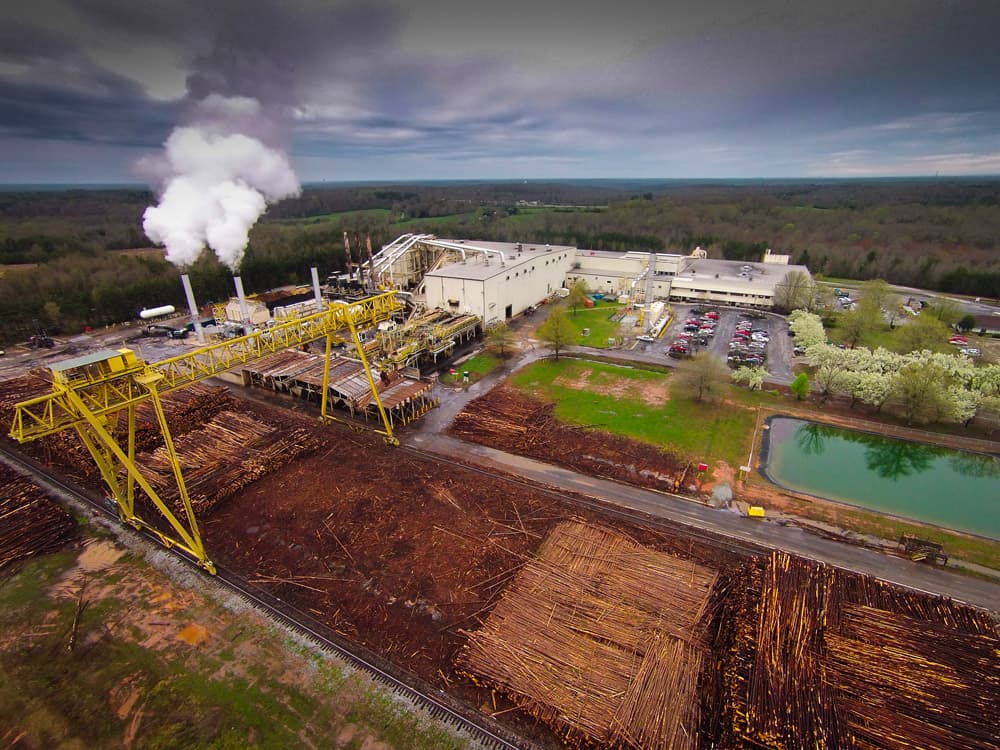
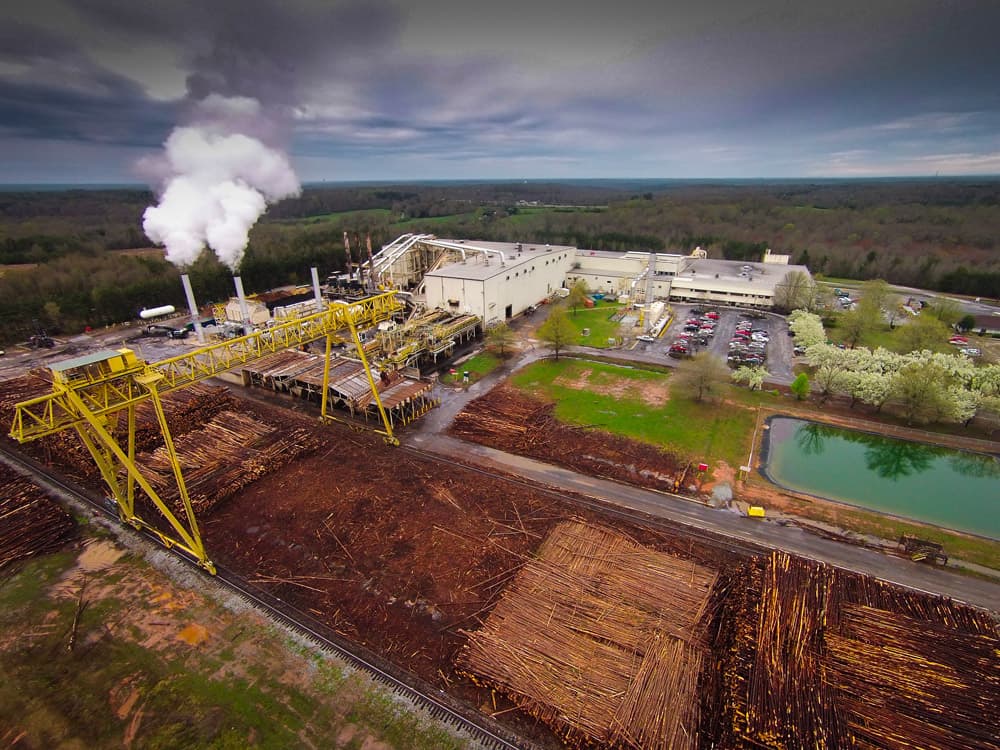
Domtar announced the indefinite idling of its Howe Sound pulp mill and Bayview Fibre chipping facility in Port Mellon, British Columbia. The move removes 380,000 metric tonnes of northern bleached softwood kraft pulp capacity from the market and eliminates 400 jobs. Madison's Lumber Reporter and regional reporting confirm that this closure extends far beyond paper manufacturing, cutting off a vital disposal pipeline for wood chips and sawmill residuals across coastal British Columbia. With more than 20 lumber mills and 4 pulp mills closed or curtailed across British Columbia since 2023, sawmills unable to economically haul or sell chips face severe operating margin penalties. When a pulp mill shuts, regional sawmills lose revenue from residual chips and face immediate disposal costs or physical storage limits in their yards. While provincial envoys are negotiating with Domtar to explore operational lifelines, the disruption to chip off-take creates immediate bottlenecks that could force secondary coastal sawmill curtailments heading into the fourth quarter of 2026.
Downstream building activity and housing demand remain sluggish, preventing regional supply cuts from igniting price rallies. In Canada, Statistics Canada reported August 2026 headline inflation held at 3.0% year-over-year, while the Canadian Real Estate Association showed national existing-home sales slipped 0.7% month-over-month and dropped 6.9% year-over-year to 37,504 units. The national sales-to-new-listings ratio softened to 49.1% as inventory stabilized at 4.8 months of supply, showing a balanced Canadian resale market. Across the border, U.S. wood products manufacturing capacity utilization sank to 71.9% over the past year, marking the weakest non-recession operating rate in 54 years, as elevated borrowing costs continue to throttle builder absorption. Labor availability also caps field construction speeds. NAHB data shows skilled trade workers have dropped from 71% of residential construction staff in 2005 to under 59% today, extending builder cycle times and smoothing out lumber replenishment runs. Framers are taking longer to complete jobs, which prevents the sudden surges in replenishment demand that typically trigger mill order-file extensions.
North American lumber supply is grappling with compounding structural pressures alongside ongoing trade barriers. In the United States, Neiman Enterprises issued WARN notices to approximately 90 workers at its Montrose Forest Products sawmill in Colorado ahead of a targeted November 6, 2026 closure, while Carrier Forest Products prepares to idle its Big River, Saskatchewan operation on October 16, 2026. Import economics for Canadian wood remain heavily penalized by policy frictions, including current US tariffs on Canadian softwood lumber featuring preliminary Seventh Administrative Review duties of 24.83% alongside Section 232 duties. Additionally, Presidential Proclamation 11061 under Section 338 was invoked in September 2026, maintaining elevated landed cost floors on imported Canadian lumber. Despite these significant supply-side curtailments, dimensional cash lumber momentum has dropped 4.3% over the past three weeks, with September CME futures contracts slipping toward $562.50 per thousand board feet as mills compete aggressively for limited dealer purchase orders.
Commercial teams and procurement leads must adjust both sales and purchasing tactics to navigate this split between tightening Canadian fibre infrastructure and tepid end-market consumption. Sales managers should target multifamily and commercial framing accounts in high-rental-inflation corridors such as Ontario and Manitoba, where tenant rates rose 2.4% to 4.3%, rather than relying on sluggish single-family housing channels. Procurement buyers should resist forward contracting and restrict yard inventory to a strict 14-day replacement cycle, using current supply softness to bid $10 to $15 per thousand board feet below published prints on prompt Western SPF and Hem-Fir tallies. Mills are carrying unsold carloads on their tracks, making prompt discounts achievable for buyers willing to take immediate shipment. Short-term pricing models indicate cash benchmarks will remain relatively flat with a slight downward bias of 0.3% over the coming seven days, signaling no immediate penalty for buyers who wait on replenishment.
As the industry enters the final quarter of 2026, understanding factors affecting lumber prices requires balancing long-term mill attrition against immediate order-file realities. While British Columbia's fibre crisis and Colorado stud mill closures remove structural capacity, distributor inventories remain adequately stocked for autumn project volumes. Yard managers should avoid building speculative inventory because carrying costs at current interest rates erode margins faster than potential price spikes can restore them. Instead, procurement teams should track mill order files week by week. If coastal BC sawmills announce unannounced curtailments due to chip accumulation, lead times on specific 2x4 and 2x6 Western SPF lengths could stretch out by 5 to 7 days. Until those curtailments materialize on mill order sheets, buyers should preserve cash reserves, monitor coastal BC wood chip logistics, and capitalize on mill-level price concessions through October.
Key Takeaways
Domtar idles Howe Sound mill, removing 380k MT pulp capacity and choking sawmill residual outlets across coastal BC.
Framing lumber prices fell 4.3% over 3 weeks while lumber futures traded near $562.50/MBF, keeping pricing power with buyers.
Restrict yard tallies to a 14-day cycle and bid $10 to $15/MBF below print on prompt Western SPF carloads.
Market Outlook
Pricing Trend: DOWN
Confidence Level: MEDIUM
Recommended Action: Bid $10 to $15/MBF below print on prompt Canadian Western SPF tallies this week, while capping lumberyard inventory at a strict 14-day replacement cycle.
How does the Domtar Howe Sound pulp mill closure affect SPF lumber buyers in 2026?
The Howe Sound idling removes 380,000 metric tonnes of pulp capacity, eliminating a primary buyer of wood chips from coastal British Columbia sawmills. If sawmills cannot economically dispose of residuals, secondary curtailments may follow, though current 4.3% three-week price declines mean immediate SPF supply remains ample.
Are Canadian lumber import tariffs changing in late 2026?
Canadian producers face an AR7 preliminary duty rate of 24.83% combined with an active 10% Section 232 tariff. Additionally, Presidential Proclamation 11061 under Section 338 was invoked in September 2026, maintaining elevated landed cost floors on imported Canadian lumber.
How LumberFlow Helps
Find the next project. Make the right buy. LumberFlow is lumber software for sales and procurement.
Sales — LumberFlow Radar (Private Beta). Know which local construction projects to call on next. Radar ranks supported municipal permit activity into a daily project queue your outside reps review, claim, and disposition, with visible reason codes behind every ranking. The same public building activity behind this data is visible to every dealer in your territory right now — Radar turns it into a daily queue your reps can act on before someone else does.
Any territory: build your own prioritized call list with the free lead-prioritization field guide. Selling in Tacoma WA? Radar covers that ground today. Activation is by invitation — request an activation invite and tell us where your team sells.
Buying — LumberFlow Procurement. Track shifts in coastal British Columbia supply constraints with the weekly price forecast and compare real-time mill offers against our free daily market insights. Sourcing teams can leverage LumberFlow to automate quote collection, using built-in sentiment analytics to secure prompt tallies at deep discounts. Book a 20-minute demo of the separate buy-side product.
Duty tracker
Verify the current duty before using this trade signal
Check current Canadian softwood lumber duty rates and landed-cost math, then bring the verified figure into your buying decision.
Related Insights
Continue exploring lumber market analysis
Use this signal where buying decisions happen
LumberFlow puts market context beside active RFQs, quote economics, and follow-ups your buyer can approve.
Need help applying this insight?
Talk with a LumberFlow analyst about procurement playbooks tailored to your SPF program.