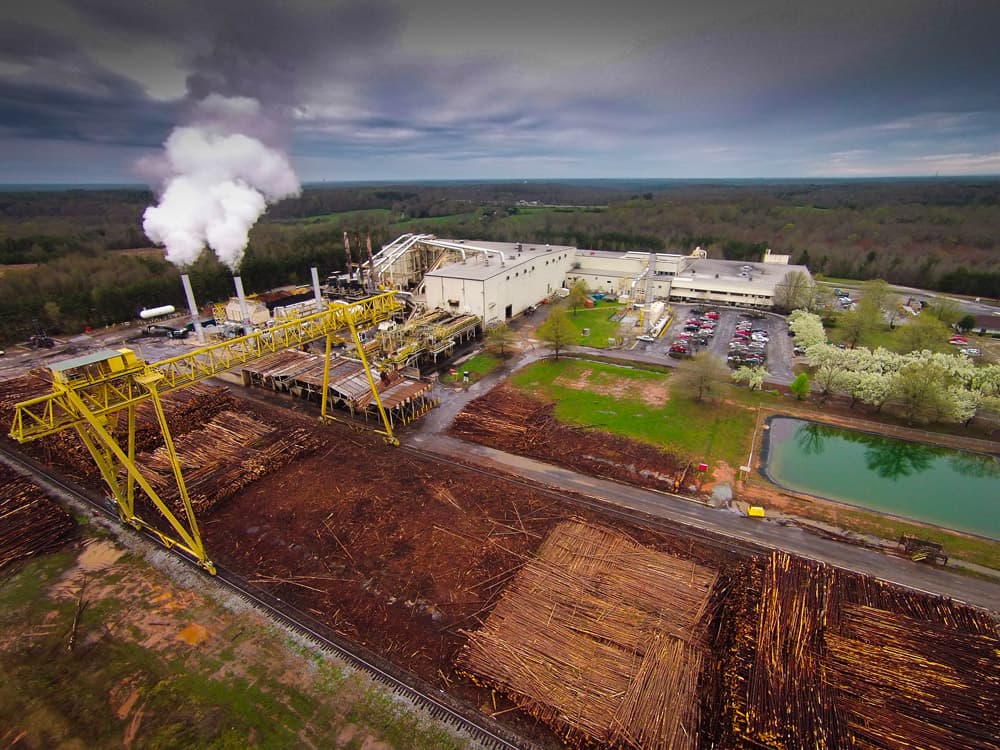
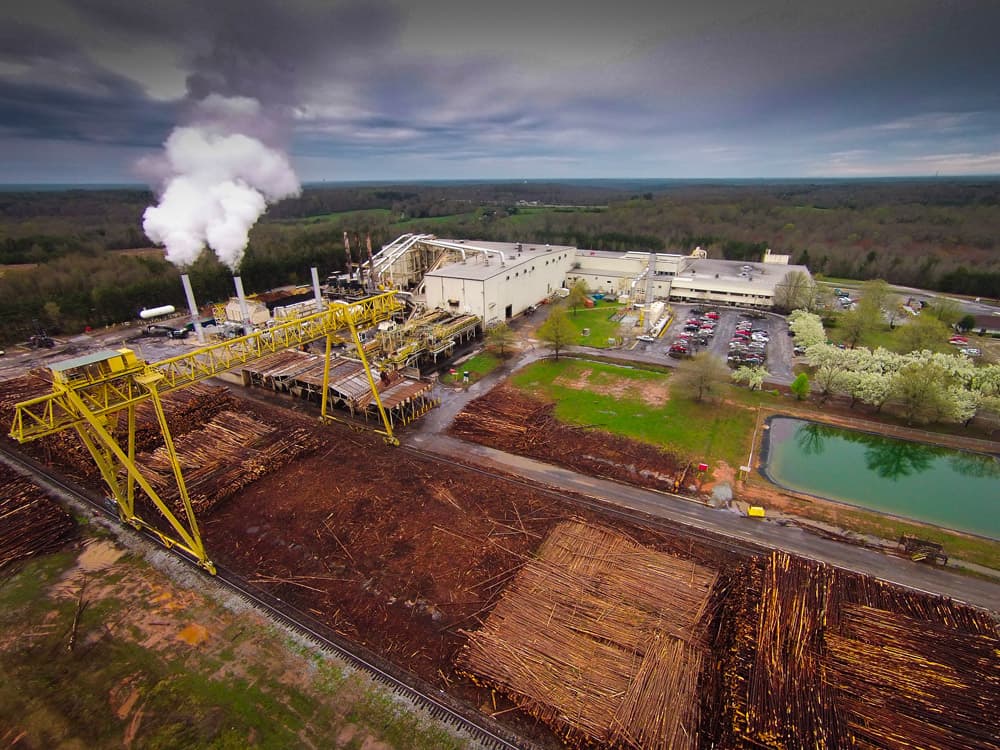
West Fraser Cuts 225 MMBF of 2026 SYP Amid Price Slide
West Fraser curtails 225 MMBF of SYP and 500 MMSF of OSB in Q4 2026. Discover how falling starts and 7.32% mortgage rates impact southern lumber buys.
West Fraser has indefinitely curtailed its Leola, Arkansas sawmill and Huguley, Alabama OSB mill due to weak residential construction demand. The decision removes 225 million board feet of Southern Yellow Pine lumber and 500 million square feet of OSB capacity in Q4 2026. Yard buyers should restrict on-hand framing inventory to 10 to 14 days of supply and bid prompt mill offerings $10 to $15/MBF below print.
Radar · free beta
The construction projects in your territory are already compiled. See the ones worth a call.
Impact on Your Procurement Strategy
West Fraser Timber Co. announced on October 28, 2026, the indefinite curtailment of its Leola, Arkansas sawmill and Huguley, Alabama OSB plant. The operational halt removes 225 million board feet of Southern Yellow Pine (SYP) lumber and 500 million square feet of structural OSB capacity. West Fraser took an asset impairment charge between $200 million and $220 million following an $80 million net loss in the third quarter. While Canfor Southern Pine countered this contraction with a $96 million investment at its Iron Mountain facility in El Dorado, Arkansas to lift capacity to 220 million board feet by Q4 2026, West Fraser's immediate operational wind-downs confirm severe margin pressure among southern producers. Compounding cross-border trade friction, the U.S. Department of Commerce finalized combined anti-dumping and countervailing duties of 24.75% on Canadian shipments under Administrative Review 7, bringing total effective tariffs to 34.75% when paired with existing border charges.
Underlying construction demand continues to deteriorate under tight credit conditions, as shown by housing starts and lumber demand tracking data. The NAHB/Wells Fargo Housing Market Index dropped 3 points to 29 in October 2026, marking its weakest reading since June 2012, with 43% of surveyed homebuilders cutting base home prices to draw foot traffic. U.S. Census Bureau data confirmed September residential housing starts fell 5.2% month-over-month to a seasonally adjusted annual rate of 1,221,000 units, with single-family groundbreakings sliding 4.6% to 859,000 units. With 30-year fixed mortgage rates averaging 7.32% according to Freddie Mac, which is 113 basis points higher than October 2025, single-family framing contractors are burning down existing yard stockpiles rather than booking forward volume.
On the supply front, initial production cuts have failed to halt cash market erosion. Madison's Lumber Reporter noted that Western Spruce-Pine-Fir (W-SPF) 2x4 #2&Btr held flat at $454 per thousand board feet, down 4% or $18/MBF from September levels, while sawmill order files rarely extend beyond two weeks. In the Southeast, SYP production consistently outpaces dealer shipments, creating a supply overhang that forced West Fraser's hand. Benchmark southern cash indices dropped 7% over the past three weeks. This sustained downward trend indicates cash values will slide another 2% to 3% before finding a firm trading floor. Because current prices hover near cash break-even levels for many southern sawmills, producers will need to announce deeper curtailments before supply and demand reach balance.
Lumberyard sales teams should pivot active outreach toward industrial accounts, commercial packaging operations, and repair-and-remodel dealers across the Midwest and Great Lakes. In those sub-regions, agricultural bins and seasonal crating demand continue to absorb low-grade boards far better than residential tracts. Retail yards catering strictly to speculative single-family builders face slow inventory turns and elevated financing costs. Carrying aged dimensional lumber on credit lines at current interest rates quickly eats yard margins. Retail managers must avoid building speculative stocks on wide-dimension SYP, keeping incoming trucks matched strictly against committed job-site delivery dates.
From a purchasing perspective, procurement managers must resist extending purchase commitments into Q1 2027. Maintain a strict 10 to 14 days of forward yard supply while using current lumber prices and weekly forecast figures to negotiate prompt rail and truck tallies at $10 to $15/MBF below published prints. Mill sales desks are hungry for straight-car shipping instructions to keep shipping docks clear. Buyers who step in with immediate payment terms and quick shipment dispatch can secure double-digit discounts below published pricing, especially on high-volume dimension tallies like 2x4 and 2x6 #2 SYP.
Regional supply fundamentals will show sharp species divergence through the remainder of Q4 2026. While Canadian W-SPF faces import duties exceeding 34%, stable prompt availability and cautious order files in Western Canada prevent price spikes. Meanwhile, southern pine lumber faces local overproduction that has pushed cash net returns below direct operating costs. West Fraser's decision to pull 225 million board feet out of the market marks the start of a broader southern capacity correction. Until more mills idle shifts and housing starts stabilize, buyers should preserve working capital and buy only replacement loads on short lead times.
Key Takeaways
West Fraser will idle 225 MMBF of SYP lumber and 500 MMSF of OSB in Q4 2026 following an $80M quarterly net loss.
October NAHB builder sentiment dropped to 29 with 43% cutting prices, while single-family starts fell 4.6% to 859,000 units.
Restrict yard inventories to 10 to 14 days of supply and counter prompt mill offerings at $10 to $15/MBF below print.
Market Outlook
Pricing Trend: DOWN
Confidence Level: HIGH
Recommended Action: Bid prompt SYP tallies $10 to $15/MBF below print and hold framing lumber inventories to 10 to 14 days of supply through November 2026.
How will West Fraser's mill curtailments affect SYP pricing in Q4 2026?
West Fraser's removal of 225 MMBF of SYP capacity will tighten prompt mill availability by late Q4 2026, but near-term prices remain depressed due to oversupply. Buyers should expect downward price pressure of 2% to 3% to persist across prompt tallies before supply cuts balance the market in early 2027.
How are current mortgage rates impacting lumber procurement strategies?
With 30-year mortgage rates holding at 7.32% and single-family starts dropping 4.6% to 859,000 units, builder framing demand is sluggish. Lumber buyers should avoid speculative forward buys and stick to replacement purchasing on a 10 to 14-day turnaround.
How LumberFlow Helps
Find the next project. Make the right buy. LumberFlow is lumber software for sales and procurement.
Sales — LumberFlow Radar (Private Beta). Know which local construction projects to call on next. Radar ranks supported municipal permit activity into a daily project queue your outside reps review, claim, and disposition, with visible reason codes behind every ranking. The same public building activity behind this data is visible to every dealer in your territory right now — Radar turns it into a daily queue your reps can act on before someone else does.
Any territory: build your own prioritized call list with the free lead-prioritization field guide. Radar is live in markets across Nebraska, Ohio, Texas, and Washington. Activation is by invitation — request an activation invite and tell us where your team sells.
Buying — LumberFlow Procurement. Use the weekly price forecast to establish firm downside counter-bids, then track shifts in supplier order files through the free daily market insights. Inside LumberFlow, our agentic sentiment nudge highlights mill discount opportunities across incoming quotes so purchasing teams avoid overpaying on prompt tallies. Book a 20-minute demo of the separate buy-side product.
- Canfor Announces $96 Million Investment in Arkansas SawmillLumber
- West Fraser Announces Indefinite Curtailment of Alabama OSB Mill and Arkansas SawmillLumber
- Some Lumber Prices Dropped as the Usual Seasonal Slow-Down ArrivedMadison's Lumber Reporter
- FEA End-Use Macro Snapshot – October 28, 2026 (4 articles)End Use
- What a Building Code Study Gets Wrong About Housing AffordabilityNAHB Now
- arkansasedc.com
Radar · free beta
See which local construction projects are worth a call
Radar ranks the local construction takeoffs by profitability potential and deal size, gives each job pack an owner, and keeps follow-up visible. The projects in your territory are already compiled.
Related Insights
Continue exploring lumber market analysis